Stop Baby Head Falling Forward in Car Seat: Safe Fixes
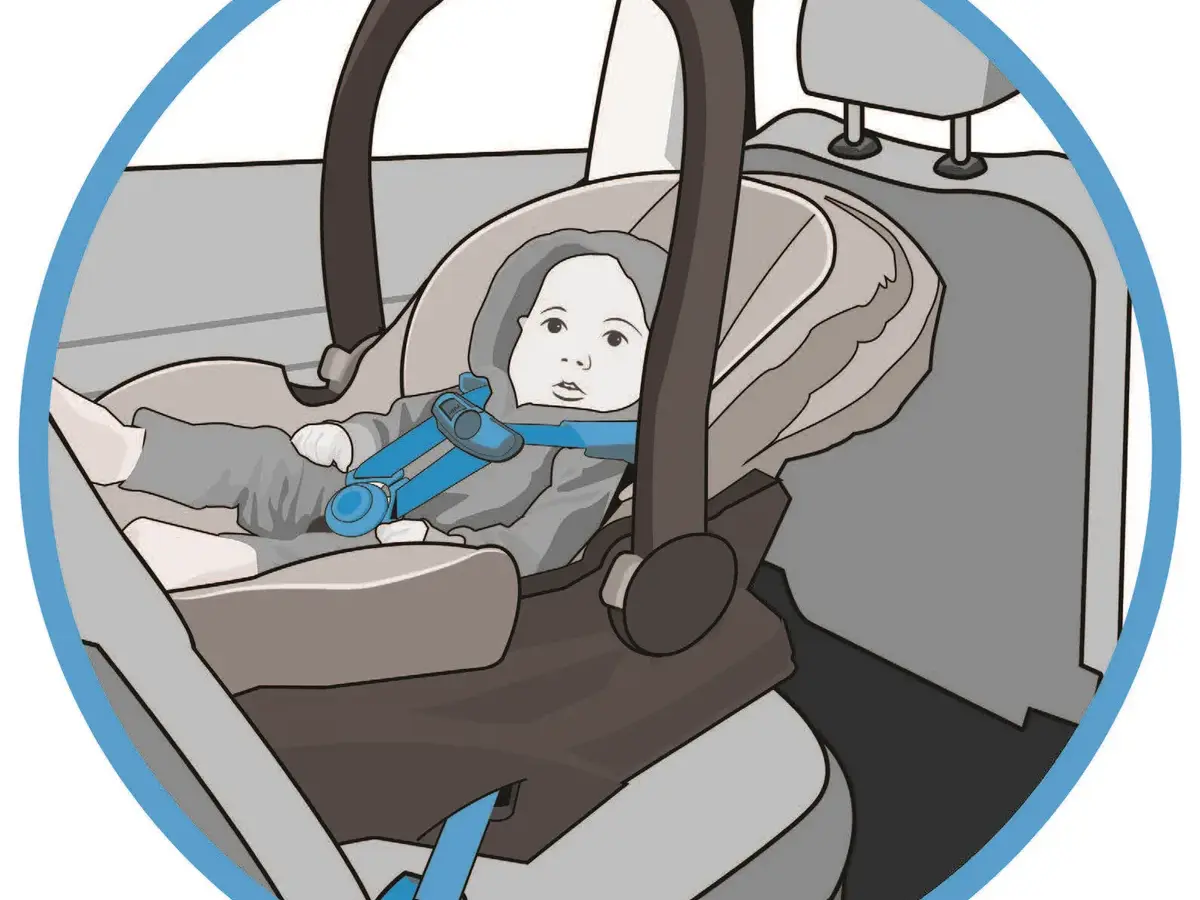
If your baby's head keeps flopping forward in the car seat, the fix almost always comes down to two things: the seat's recline angle and how snug the harness is. Adding a head pillow or a neck strap usually makes it worse, and it can void your seat's crash testing. Learning how to stop baby head falling forward in car seat safely starts with adjusting what the manufacturer actually lets you adjust.
That chin-to-chest slump matters more than most parents realize. When a baby's head drops forward, the airway can narrow, and infants lack the neck strength to correct it on their own. Per NHTSA guidance, an installed seat should move less than 1 inch at the belt path.
If yours passes that test and the head still slumps, the angle or harness fit is the culprit. Here's how to work through both.
how to stop baby head falling forward in car seat
Fix the seat, not the baby. First check the recline angle against your manual. Newborns usually need about 45 degrees.
Then snug the harness using the pinch test. Put the chest clip at armpit level. Never add aftermarket inserts or straps.
If the head still falls forward, see a certified technician.
Why That Forward Head Slump Is a Real Safety Problem
A sleeping baby with a slightly nodding head looks normal. A baby whose chin rests on their chest is a different situation entirely. That position can compress the airway, and it's the core concern behind positional asphyxia, which is when breathing is restricted by body position rather than by an object blocking the nose or mouth.
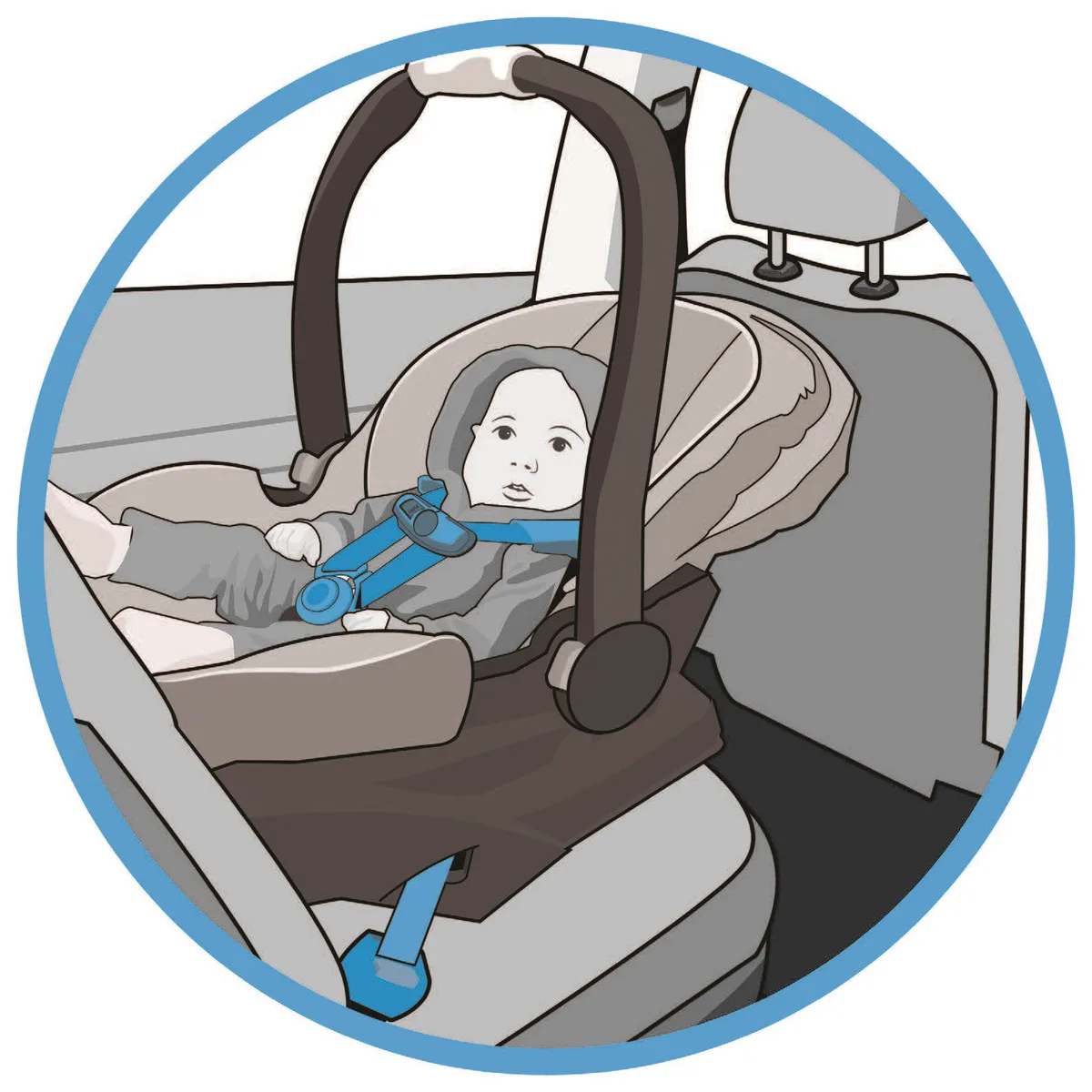
Image source: Bing (Web (fair-use with source credit))
Newborns are the highest-risk group. Their heads are proportionally heavy, their neck muscles are weak, and they can't reposition themselves. Our research into pediatric safety literature shows that risk climbs when a baby is asleep, because there's no muscle tone holding the head up.
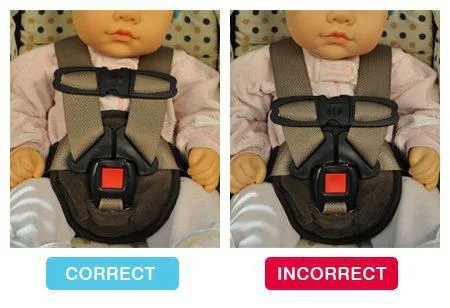
Image source: Bing (Web (fair-use with source credit))
So the goal isn't comfort. It's keeping the chin off the chest and the airway open. Two levers control that: the recline angle of the seat shell and the tension of the harness.
Everything below comes back to those two things.
The Two Root Causes (And Why Almost Every Fix Comes Back to Them)
Almost every head-slump problem traces to one of two adjustments. If the seat is too upright for your baby's age, the head falls forward. If the harness is too loose, the baby slides down and the head follows.
Here's the if/then logic that makes this simple:
- If the head falls forward and the seat looks fairly upright, then adjust the recline.
- If the recline is correct but the baby slumps sideways or down, then tighten the harness.
- If both look right and the slump still happens, then the seat may not fit your vehicle well. That's a technician question, not a pillow question.
Manufacturer specifications indicate that most seats ship set up for an older baby, which is more upright. Parents of newborns often need to change that before the first ride.
Recline Angle: The One You Can Actually Adjust
The recline angle is the tilt of the seat shell relative to the ground. Get it right and gravity works for you, not against you.
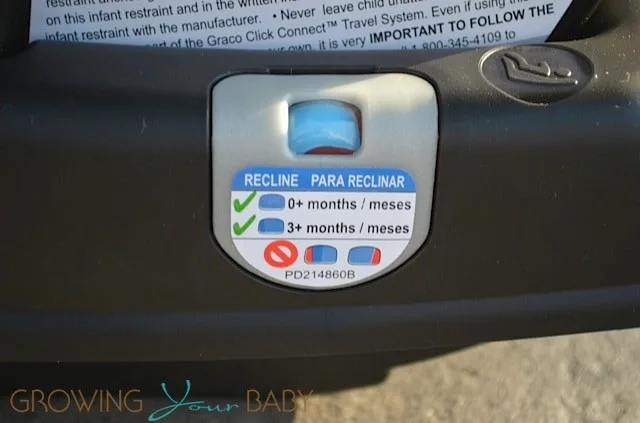
Image source: Bing (Web (fair-use with source credit))
Most seats have a built-in angle indicator, a bubble level or a colored line on the side of the shell or base. Park on level ground first. A sloped driveway will give you a false reading.
The target angle depends on your baby:
| Baby's stage | Typical recline angle |
|---|---|
| Newborn / infant insert in use | Around 45 degrees |
| Older baby, still rear-facing | 30 to 40 degrees |
| Convertible in rear-facing mode | Per manual, usually 40 to 45 for small babies |
If the indicator says you're off, use the base's recline foot or dial. Some seats want a rolled towel or pool noodle under the base. Others forbid it.
Your manual is the final word.
Harness Fit: The One Parents Get Wrong Most Often
A loose harness lets the baby slide forward and down, and the head follows. This is the most common cause we see in aggregate reviews and technician reports.
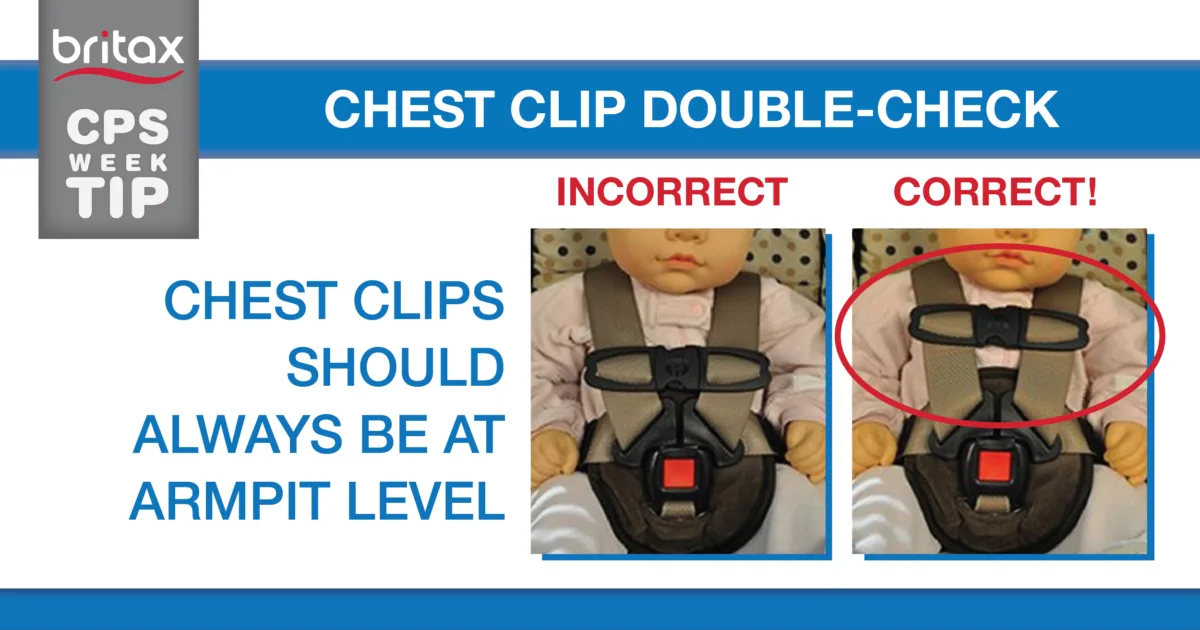
Image source: Bing (Web (fair-use with source credit))
Three checks matter here. Straps should sit at or below the shoulders when rear-facing. The chest clip goes at armpit level, never on the belly.
And the pinch test tells you if the straps are snug enough: pinch the strap vertically at the collarbone, and if you can grab slack, tighten it.
Also check the crotch strap. Newborns need the closest slot so they can't slide down. That single adjustment fixes a surprising number of slump problems.
Step-by-Step: Fixing the Slump Without Voiding Your Seat's Safety
Follow this sequence in order. Each step assumes the one before it is done.
- Park on level ground and read your manual's recline rules for your baby's weight.
- Check the built-in angle indicator against the target for your baby's stage.
- Adjust the base recline foot or dial until the indicator matches.
- Re-test the install: less than 1 inch of movement at the belt path.
- Buckle your baby in and confirm the harness slots sit at or below the shoulders.
- Snug the straps using the pinch test at the collarbone.
- Set the chest clip at armpit level and check the crotch strap slot.
- Look at the head position. The chin should be off the chest, head resting back.
If the head still falls forward after all eight steps, the seat may simply not fit your vehicle's seat contour. Deeply contoured bucket seats and steep benches throw off install angles more than parents expect. That's the point to book a free inspection rather than improvise.
What NOT to Add: Aftermarket Inserts, Straps, and the Rolled Towel Question
Here's the hard truth. Most of the products sold to "fix" head slump are the exact things safety experts warn against.
Aftermarket head support pillows and strap-style head holders are the big ones. They sit between your baby and the seat, which means the seat wasn't crash-tested with them in place. They can also push the head forward or down, making the chin-to-chest position worse.
Manufacturer manuals for nearly every major brand explicitly prohibit non-included inserts.
The rolled towel and pool noodle tricks are more nuanced. Some manuals allow a rolled towel under the base to correct the angle in a specific direction. Others forbid anything under the base at all.
Your manual is the only authority here. Not a forum, not a friend, not a viral video.
The one insert that's fine is the one that came in the box. That newborn insert was tested with the seat. When your baby hits the weight or height limit for it, remove it.
Keeping it past that threshold changes the geometry and can cause slump on its own.
Which Babies and Situations Need Extra Attention
Some babies and some trips need a closer look. If any of these apply to you, double-check the angle and harness before every ride.
- Newborns and preemies. Weak neck muscles and heavy heads make them the highest-risk group.
- Babies with reflux or low muscle tone. Both make it harder to hold the head up.
- Babies who sleep hard in the car. Naptime is when slump happens most.
- Long road trips. Fatigue, position drift, and hours in one seat stack up.
- Baseless installs and ride-shares. Angle control is harder without a base.
- Three-across setups. Seats can tilt each other off-angle.
One more thing worth knowing: when to stop using the infant insert. Manufacturer specs set a weight or height limit, often around 12 pounds or when the shoulders reach a marked line. Past that point, the insert is doing harm, not good.
When to Get Help From a Certified Tech (And When Something's Actually Wrong)
Book a technician when the numbers look right but the slump won't quit. Free inspection stations run by NHTSA and Safe Kids cover most US states, and a certified Child Passenger Safety Technician (CPST) can spot install issues you'd never catch alone.
- If the seat moves more than 1 inch at the belt path, then the install is wrong. Get it checked.
- If the recline indicator reads correct and the harness passes the pinch test but the head still drops, then the seat likely clashes with your vehicle's seat shape.
- If you see blue lips, labored breathing, or a baby who won't rouse, then stop the car and call emergency services. Don't wait for the next exit.
Rear-facing duration matters here too. The American Academy of Pediatrics advises keeping babies rear-facing until at least 2 years old. Longer is safer, and forward-facing too early stacks crash risk on top of the slump problem.
One more check worth doing: make sure your specific seat hasn't been recalled. NHTSA publishes recall notices by model and year.
Which Babies and Situations Need Extra Attention
Extra vigilance pays off in a few predictable scenarios. If any of these describe your baby or your routine, re-check the angle and harness before every single ride.
- Newborns and preemies. Their heads are heavy and their necks are weak.
- Babies with reflux or low muscle tone. Holding the head up is harder for them.
- Car-seat nappers. Sleep drops muscle tone, so the slump gets worse.
- Long trips. Position drift adds up over hours.
- Baseless installs and ride-shares. You lose the base's angle control.
- Three-across setups. Adjacent seats can nudge each other off-angle.
The insert question resurfaces here too. Manufacturer specs set a limit, often around 12 pounds or a marked shoulder line. Once your baby passes it, pull the insert out.
Past that point it wrecks the geometry and can cause slump on its own.
Is It Safe if My Baby's Head Falls Forward While Sleeping?
No, not if the chin is resting on the chest. That position can restrict the airway, and sleeping babies can't fix it themselves. Positional asphyxia is the specific risk, and it's why this problem gets treated as a safety issue rather than a comfort one.
A slight nod with the chin still clear of the chest is less alarming. Still, the goal is a head that rests back against the seat shell.
If your baby's head drops forward on every drive, treat it as a seat setup problem and work through the angle and harness checks. Don't just watch it and hope. A two-minute adjustment beats a scary moment at highway speed.
Can I Use a Neck Pillow or Head Strap to Stop the Slump?
No. Skip them entirely. Aftermarket head supports and strap-style holders sit between your baby and the seat, which means the seat was never crash-tested with them installed.
They can also push the head into the exact chin-to-chest position you're trying to avoid.
Manufacturer manuals for nearly every major brand ban non-included inserts. Using one can void your seat's safety certification.
The one head support that's fine is the one that came in the box. That insert was tested with the seat and is designed to work with the harness.
If you've already bought an aftermarket pillow, you don't need it. Fix the recline and the harness instead. Those two adjustments solve the vast majority of slump problems.
My Convertible Is Installed Right and She Still Slumps. Now What?
Check the install date and your baby's size against the manual, because a "correct" angle can still be wrong for a growing baby. As of 2026, most convertibles change their required recline as your baby gains weight. What worked at 8 pounds may be wrong at 15.
Run through these before you blame the seat:
- Re-check the angle indicator. Convertibles often slip one notch as the seat settles into the vehicle cushion.
- Confirm the harness slots are at or below the shoulders, not above.
- Look at the crotch strap slot. The chapter on harness fit covers why this matters.
- Check for a seat protector mat under the base. Many brands ban them, and they can lift the base off-angle.
If all of that is right, the seat may clash with your vehicle's seat contour. That's a technician visit, not a DIY fix.
Does a Rolled Towel Under the Base Work?
Sometimes, but only if your manual says so. A rolled towel or a pool noodle under the base can correct the angle when the seat's own recline foot won't go far enough. Some manufacturers allow it.
Others forbid anything under the base.
Read your manual first. If it permits the towel trick, it usually specifies which end to place it under and how thick it can be. A towel that shifts during a crash is worse than no towel at all.
If your manual is silent on the topic, treat that as a no. The seat was tested without it.
How Do I Know When to Remove the Newborn Insert?
Remove it the moment your baby hits the weight or height limit in your manual. That threshold is typically around 12 pounds, or when the shoulders reach a marked line on the insert or shell.
Past that point, the insert changes the harness geometry. It can push the shoulders above the strap slots, which is unsafe when rear-facing.
The fix is simple: take it out, then re-check the harness fit. You'll usually need to lower the shoulder straps after removing the insert.
Is Forward-Facing Ever the Answer to Head Slump?
No. Not before your baby meets the seat's forward-facing minimums, and never just to solve a slump problem. Forward-facing too early exposes a small baby to far greater crash forces, especially to the neck and spine.
The American Academy of Pediatrics advises keeping children rear-facing until at least 2 years old. Longer is safer. If head slump is your only reason for considering the switch, fix the recline and harness instead.
Once your child genuinely outgrows the rear-facing limits of the seat by height or weight, forward-facing is the right move. Not before.

Similar Posts































