Best Car Seat Protectors for Baby Car Seats
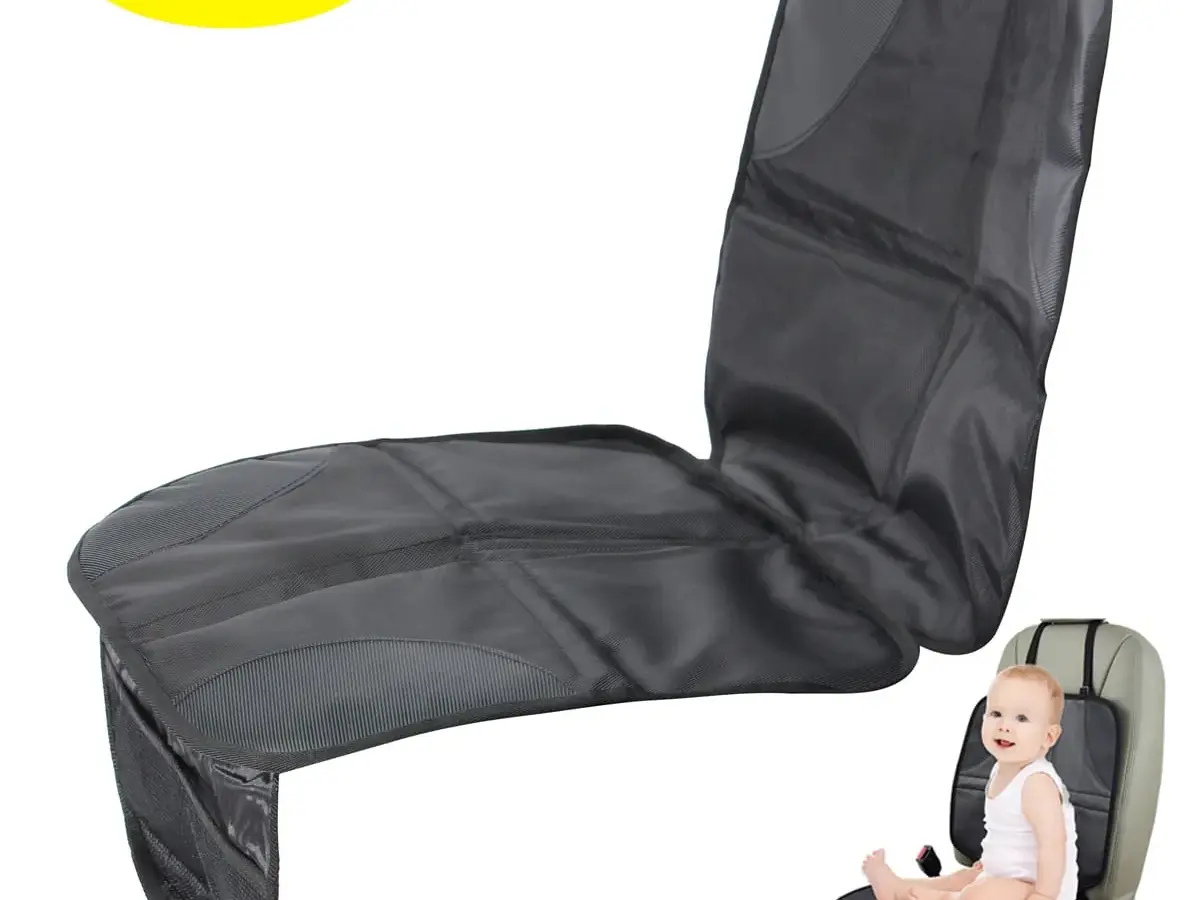
Car seat protector for baby car seat is one of those accessories parents buy without thinking twice, until they read the manual and realize it might cost them their warranty. Here's the honest truth: protectors are not banned, but most are never tested with your specific seat. What matters is how thin it is, where it sits, and whether it interferes with the install.
Per NHTSA field studies, roughly 46% of car seats are installed incorrectly, and adding an unapproved mat makes that number worse. FMVSS 213 governs car seats, but no federal standard covers aftermarket protectors. That gap is why so much product marketing means nothing.
Let's walk through what's actually safe.
car seat protector for baby car seat
A car seat protector for baby car seat is a thin mat placed under the car seat to guard against spills, crumbs, and indentations. Most manufacturers do not certify them, and thick padded versions can loosen the install. In our research, thin grip mats under 3mm are the safest option.
Always check your car seat manual first. Never place one between the child and the harness.
Why a Car Seat Protector Is Not Just Another Baby Accessory
A car seat protector looks harmless. It's just a mat, right? The problem is that a car seat isn't a normal seat.
It's a safety system engineered to compress against the vehicle seat at specific angles, with specific tension, under crash forces measured in milliseconds.
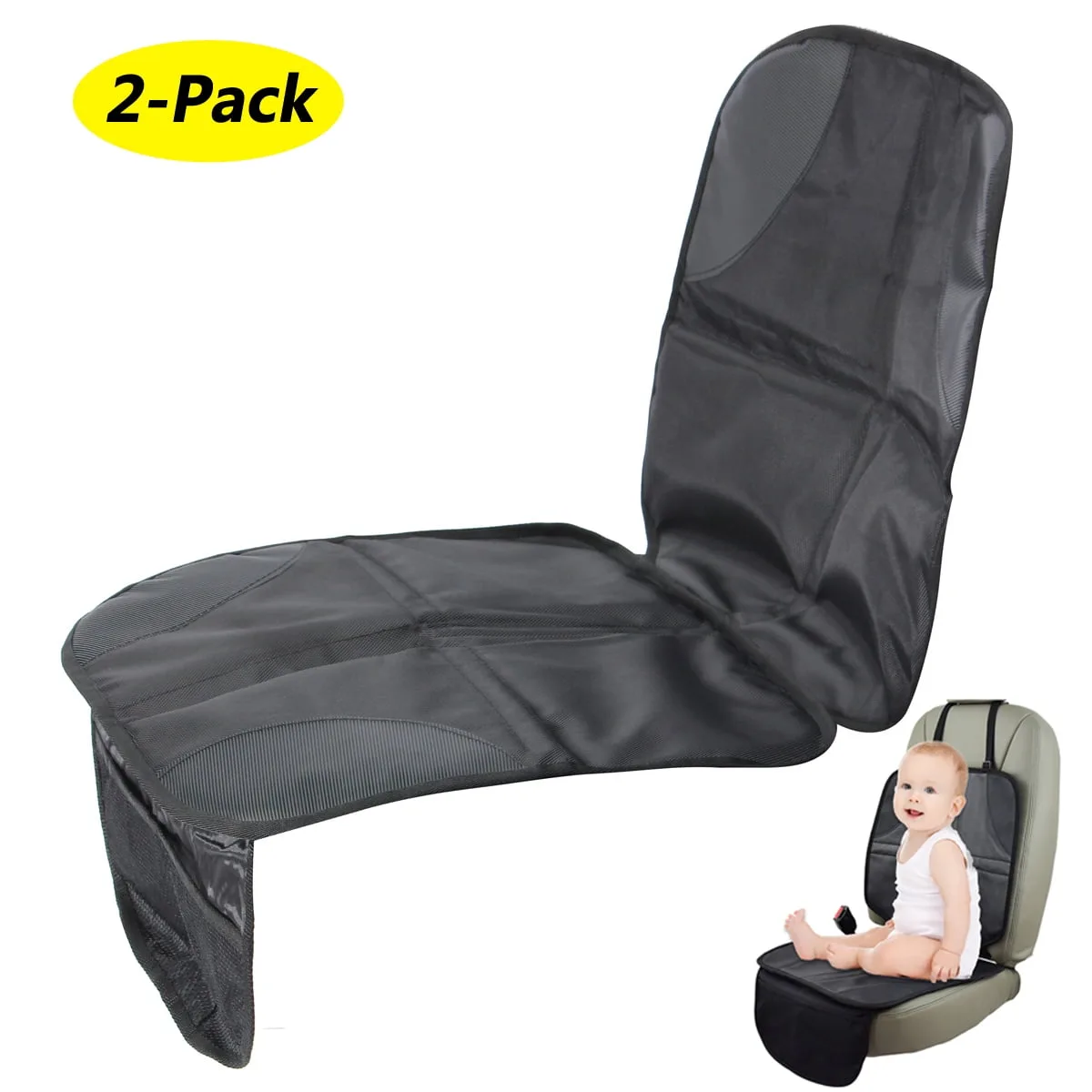
Image source: Web (Bing) / walmart.ca (Web image (fair-use with source credit))
When you slide anything between the car seat base and the vehicle cushion, you change that geometry. Even 5mm of foam compresses differently than the seat fabric. Under 30mph crash forces, that difference can introduce slack in the harness path.
National Highway Traffic Safety Administration (NHTSA) standards test car seats against bare vehicle seats, not against aftermarket mats.
Per the American Academy of Pediatrics (AAP), any product that doesn't come with the car seat and wasn't tested with it should be treated with caution. That's not scaremongering. It's how the safety system was designed.
Here's the tricky part. Protectors do serve a real purpose. Leather seats get crushed.
Cloth seats absorb milk and vomit. Resale value drops if you lease. So parents reach for a mat.
The question is whether the mat you choose preserves the install integrity or quietly destroys it. As of 2026, no protector on the market carries a federal safety certification as a standalone product.
How a Protector Can Interfere With Your Car Seat Install
Manufacturer specifications indicate that most car seat installs rely on direct contact between the car seat base and the vehicle seat. Add a mat and you've inserted a variable nobody tested.
Thickness, Compression, and the 1-Inch Rule
The 1-inch rule is the standard test. Grab the car seat at the belt path and pull. It should move less than 1 inch (2.5 cm) side to side or front to back.
If your protector compresses under that pull, the seat can shift more than it should in a crash. Padded quilted protectors, often 8mm to 20mm thick, are the worst offenders here.
If your mat is under 3mm and non-slip, you're likely fine. If it's plush, quilted, or thick foam, take it out and retest the install.
LATCH, Tether, and Seat Belt Path Problems
Lower anchor connectors (LATCH in the US, ISOFIX in the UK and EU) need a clean shot to the vehicle anchor bars. Thick mats lift the connectors or force them to route at an angle. That reduces tension.
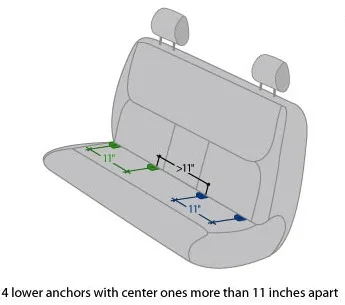
Image source: Web (Bing) / thecarseatlady.com (Web image (fair-use with source credit))
Top tether anchors can also get blocked or obscured. Seat belt paths get pushed out of alignment. Any of these issues can void the install even if the seat feels snug.
When "Crash-Tested" on the Label Means Nothing
Here's the marketing trap. A protector can say "crash-tested" without ever being tested inside a real vehicle with a real car seat. That claim is unregulated.
It often means the mat itself was drop-tested or flame-tested, not that it was validated with a child seat.
In our research, no aftermarket protector currently publishes side-by-side test data showing it preserves car seat performance in a crash. Treat "crash-tested" as decoration until proven otherwise.
Safe vs. Risky Protectors: What to Look For
Thin Grip Mats, Neoprene, and Towels Ranked by Safety
| Protector Type | Thickness | Safety Profile | Best For |
|---|---|---|---|
| Rubberized grip mat | 1 to 3mm | Lowest install interference | Leather seats, daily use |
| Neoprene mat | 3 to 5mm | Moderate, check manual | Spill protection + grip |
| Quilted padded mat | 8 to 20mm | High risk of slack | Often discouraged by CPSTs |
| Towel or thin blanket | Under 2mm | Minimal interference | Emergency, budget |
| Full seat cover | Varies | Can block anchors or airbags | Not recommended under car seats |
If you want a protector and want to keep your install safe, thin is the rule. Material matters less than profile.
Compatibility With Leather, Cloth, and Heated Seats
Leather seats are the classic reason parents buy a protector. Indentations from a car seat base are nearly permanent on soft leather. A thin rubberized grip mat solves that without lifting the seat.
Cloth seats absorb spills into the foam, which can mold. A waterproof neoprene mat under 5mm is a reasonable middle path.
Heated and ventilated seats are trickier. Rubber backing can block airflow or damage the heating elements over time. Check your vehicle owner's manual before adding anything.
How to Install a Car Seat With a Protector (Without Compromising Safety)
This is the part most articles skip. If you're going to use a protector, here's the safe order of operations.
- Read your car seat manual. Look for any line about aftermarket mats or accessories. If it says no, stop.
- Read your vehicle manual. Check for warnings about seat covers, airbags, or heated seat interference.
- Place the protector flat. No folds, no bunching. It should lie smooth against the vehicle seat.
- Route LATCH straps through cutouts. If the mat blocks the connectors, it doesn't fit.
- Confirm the top tether connects cleanly. No obstruction, no slack.
- Buckle and tighten the car seat. Use the seat belt or LATCH path as normal.
- Do the 1-inch test. Grab at the belt path. Movement should stay under 1 inch (2.5 cm) in every direction.
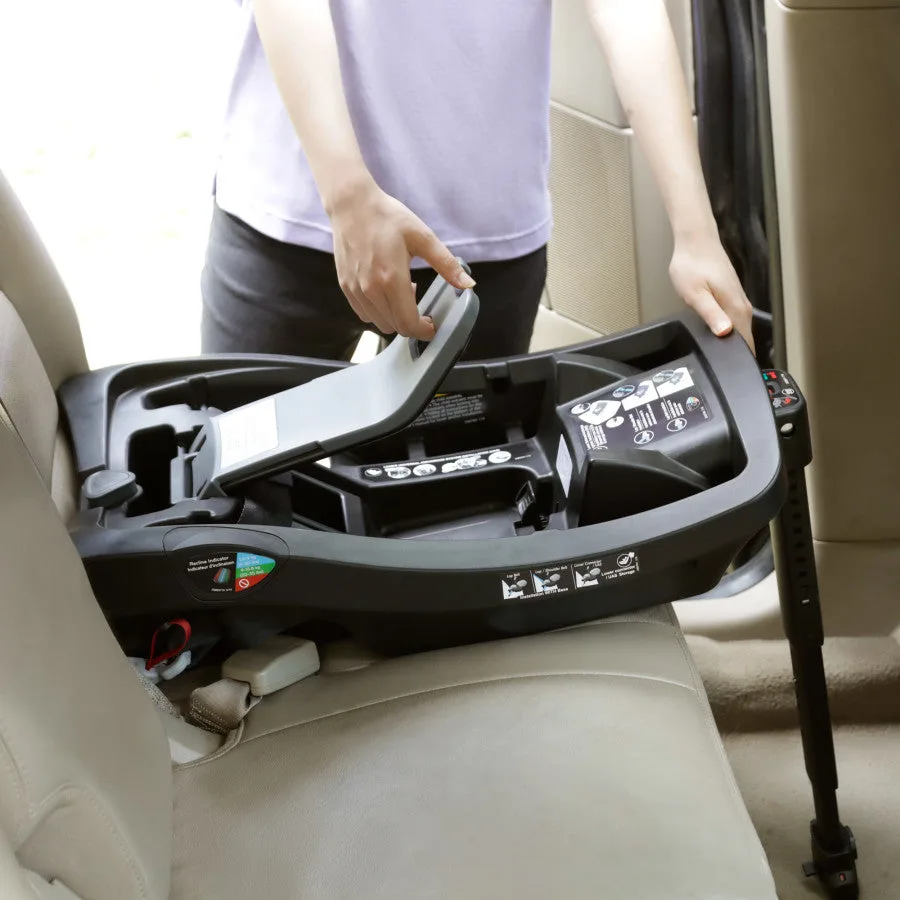
Image source: Web (Bing) / automotiveplanner.com (Web image (fair-use with source credit))
- Recheck after every trip. New mats settle. If movement shows up, remove the mat and retest without it.
- Wash on schedule. Cold water, gentle cycle, air dry. Heat degrades non-slip backing.
- Re-verify after every wash. A worn backing loses grip and becomes a sliding hazard.
If any step fails, the mat comes out. That's the whole decision tree. The protector is optional.
The install is not.
Common Mistakes Parents Make and What to Do Instead
The biggest mistake is stacking. Parents put a padded mat under a car seat base, then add a seat cover over the vehicle seat, then wedge a towel at the edges. Each layer adds compression, and the install gets looser every time.
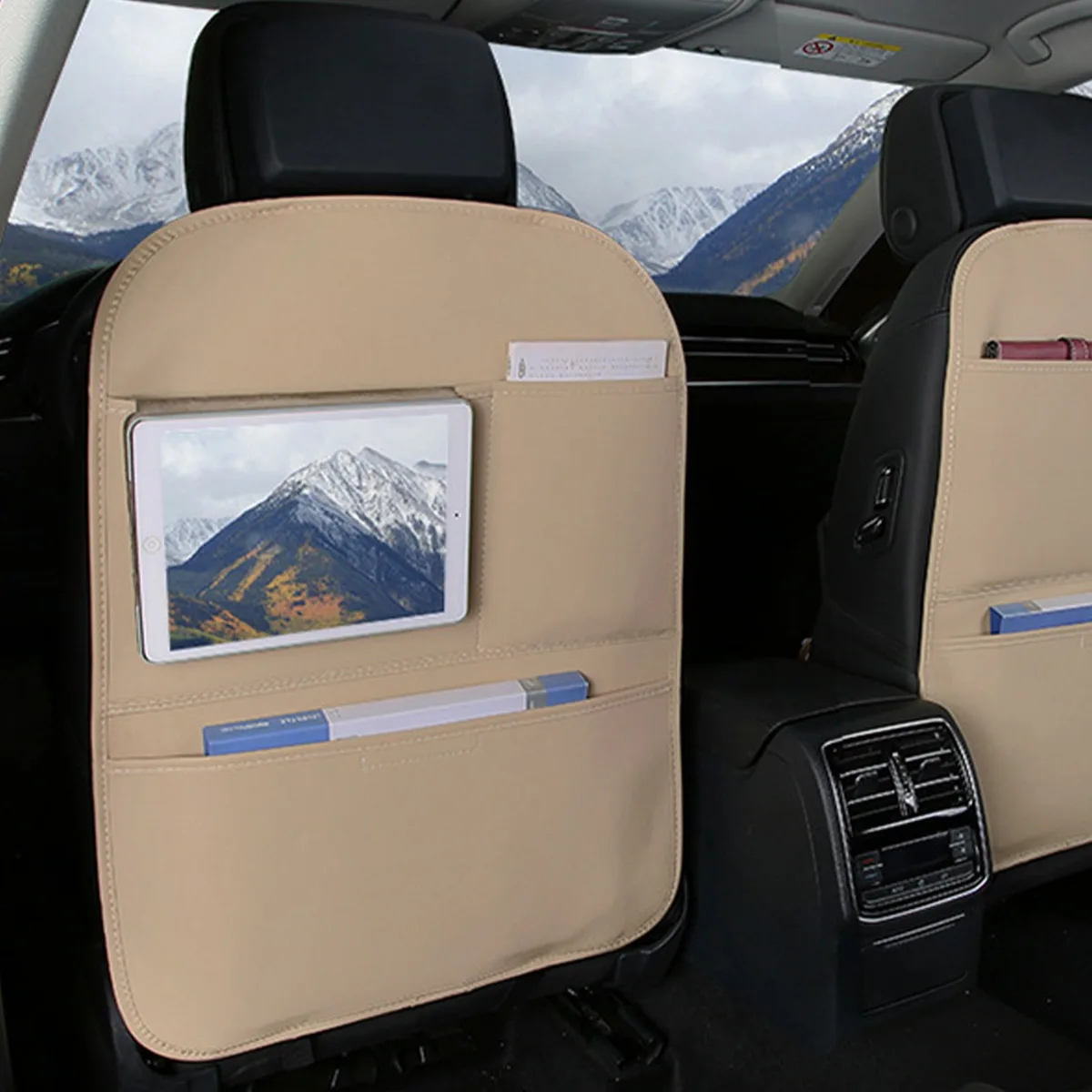
Image source: Web (Bing) / walmart.com (Web image (fair-use with source credit))
Wrong: buying a quilted "premium" protector because it looks better padded.
Right: picking the thinnest option that still protects the seat surface.
Wrong: assuming "crash-tested" on the label means it's approved for car seats.
Right: checking the car seat manual first and treating unverified claims as marketing.
Wrong: putting a protector between the child and the harness to cushion the seat back.
Right: never placing anything between the child and the harness. That area is where the harness needs direct contact.
Wrong: reinstalling after a mat gets washed without rechecking tightness.
Right: running the 1-inch test every time the mat comes out and goes back in.
One more mistake worth naming. Confusing a kick mat with a seat protector. A kick mat attaches to the seat back to stop shoe scuffs.
It does nothing for the seat bottom. Different product, different job. Per certified Child Passenger Safety Technicians (CPSTs), the rule is simple: if you can't verify the mat preserves the install, it doesn't go under the car seat.
Real-World Scenarios: Rideshares, Leases, Grandparents, and Pets
Different situations call for different answers. If you're ordering an Uber with a portable car seat, you can't check the driver's manual. In that case, skip the mat entirely and place the seat directly on the vehicle seat.
The install matters more than the upholstery.
If you lease a car, resale value is the whole reason you want a protector. A thin rubberized grip mat under 3mm gives you the protection without risking the lease inspection. Skip anything padded.
If grandparents rotate a car seat between vehicles, a washable neoprene mat is worth keeping in the trunk. The key rule is to redo the 1-inch test every time the seat moves. A protector that worked in your SUV may lift the seat in their sedan.
For pets, pet hair and claws damage cloth seats fast. A thin waterproof mat under the car seat handles most of it. Just don't layer a pet cover on top.
One layer, not two.
For rideshare drivers who keep a car seat installed, thin is non-negotiable. You're doing short trips with different passengers. Every extra millimeter of mat adds risk on each install.
Car Seat Protector FAQs
Do car seat protectors affect car seat safety?
Yes, they can. Thick padded protectors compress under crash forces and can introduce slack in the install. Thin rubberized mats under 3mm usually pass the 1-inch movement test.
Check your car seat manual before adding anything.
Are "crash-tested" car seat protectors safe to use?
Not necessarily. The "crash-tested" label is unregulated for aftermarket mats. It often means the mat was flame-tested or drop-tested alone, not tested with a car seat installed.
Treat the claim as marketing unless the brand publishes full test data.
Can I use a towel instead of a car seat protector?
Yes, a thin towel works as a minimal-interference alternative. It protects against crumbs and light spills without lifting the seat base. It won't stop deep liquid damage or seat indentations the way a proper mat would.
Replace or wash it often.
How thick should a car seat protector be?
Aim for under 3mm. At that thickness, most installs still pass the 1-inch movement test. Anything between 8mm and 20mm is in the risky zone.
In our research, neoprene in the 3mm to 5mm range is borderline and should be tested case by case.
Will a car seat protector void my car seat warranty?
It can. Many car seat manufacturers void the warranty if you use accessories not approved for that specific seat. Check your manual before buying.
Britax, Chicco, Graco, and Nuna all publish explicit guidance on aftermarket accessories.
Do I need a protector for a leather car seat?
You don't need one, but it helps. Leather gets permanent indentations from car seat bases that don't bounce back. A thin rubberized grip mat is the safest way to prevent that without affecting the install.
Avoid rubber backing on heated or ventilated leather.
Final Verdict: When to Use One and When to Skip It
Skip the protector if your car seat manual forbids accessories. That's the end of the conversation. No mat is worth voiding the warranty or compromising the install.
Skip it too if you can't find a mat thin enough to pass the 1-inch test. A slightly scuffed seat is cheaper than a damaged one, and far cheaper than an injury.
Use a thin rubberized grip mat (under 3mm) if your car seat manual allows accessories and you want to protect leather, block spills, or preserve resale on a lease. Neoprene in the 3mm to 5mm range is a reasonable middle path if you test it every time.
If you're unsure, here's the decision tree. Does the manual allow it? If no, skip.
Does the mat pass the 1-inch test in every direction? If no, skip. Does the mat lift the base, block the LATCH anchors, or obscure the tether?
If yes, skip.
If all three pass, use it. Retest after every wash, every move between vehicles, and every time someone else installs the seat.
One last thing. A protector is a surface fix. It never substitutes for a correct install.
If you've never had your install checked, find a certified Child Passenger Safety Technician (CPST). Safe Kids Worldwide runs free inspection stations across the US. That thirty minutes will do more for your child's safety than any mat on the market.

Similar Posts































