Century Baby Car Seat Guide: Safety & Buying Tips
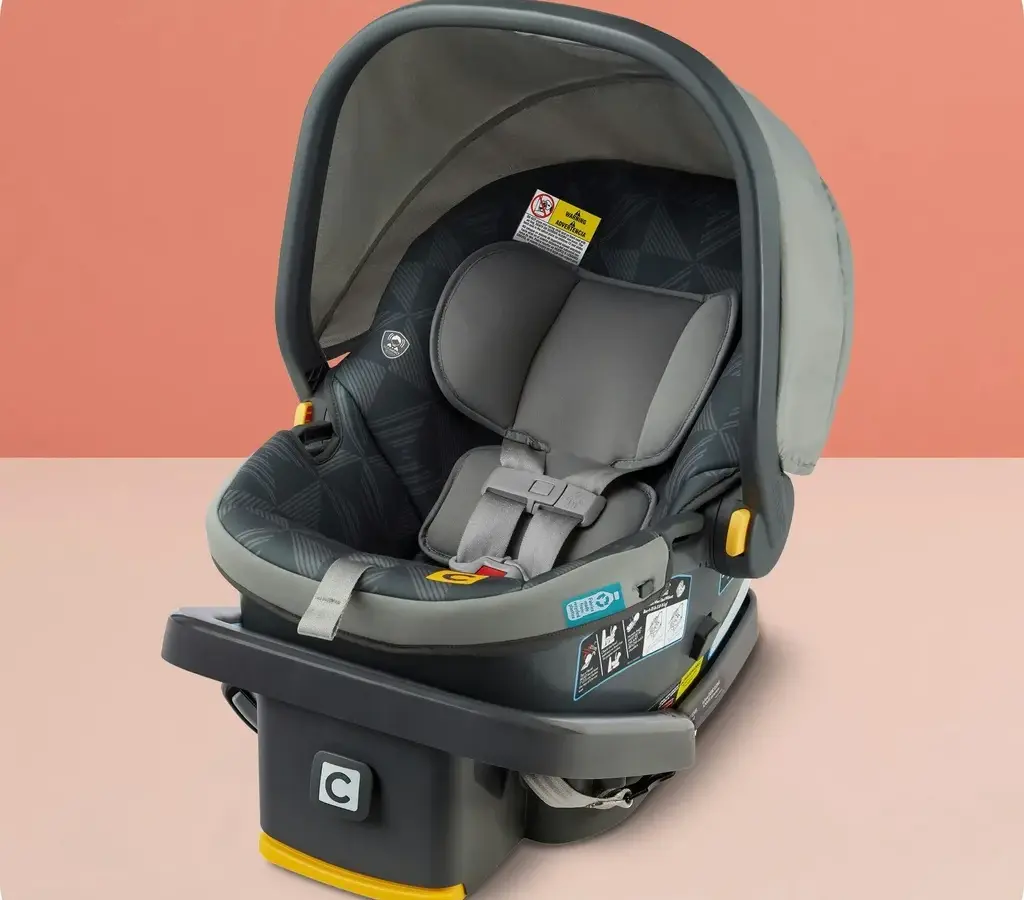
The problem starts the moment you leave the hospital. You've got a newborn, a ton of paperwork, and a car seat that has to be installed correctly before anyone drives anywhere. If you're looking at a century baby car seat, the brand name alone tells you almost nothing about whether it's right for your child, your car, or the law where you live.
Baby car seats sold in the US must meet Federal Motor Vehicle Safety Standard 213 (FMVSS 213), the baseline rule that governs crash performance and labeling. Per NHTSA data, roughly half of all seats are installed incorrectly. So here's what actually matters: the type of seat, its height and weight limits, the installation method, and its expiration date.
century baby car seat
A century baby car seat is a range of infant, convertible, all-in-one, and booster seats sold in the US under the Century brand. Century was relaunched by Kids2 in 2022 after years off the market. Every seat meets FMVSS 213, the federal standard.
Always check your specific model's manual for its exact limits.
Who Each Century Seat Type Is Built For: Infant, Convertible, All-in-One, and Booster
Each Century seat type solves a different problem, and picking the wrong one creates real safety risk. Here's how the lineup breaks down by age, weight, and use case.
If you have a newborn and want a carrier you can pop out of the car, an infant car seat is the fit. If your child is outgrowing that carrier but isn't ready for forward-facing, you move to a convertible. If you want one seat that lasts from birth to booster age, that's an all-in-one.
If your child has outgrown a harnessed seat, a belt-positioning booster is the final step.
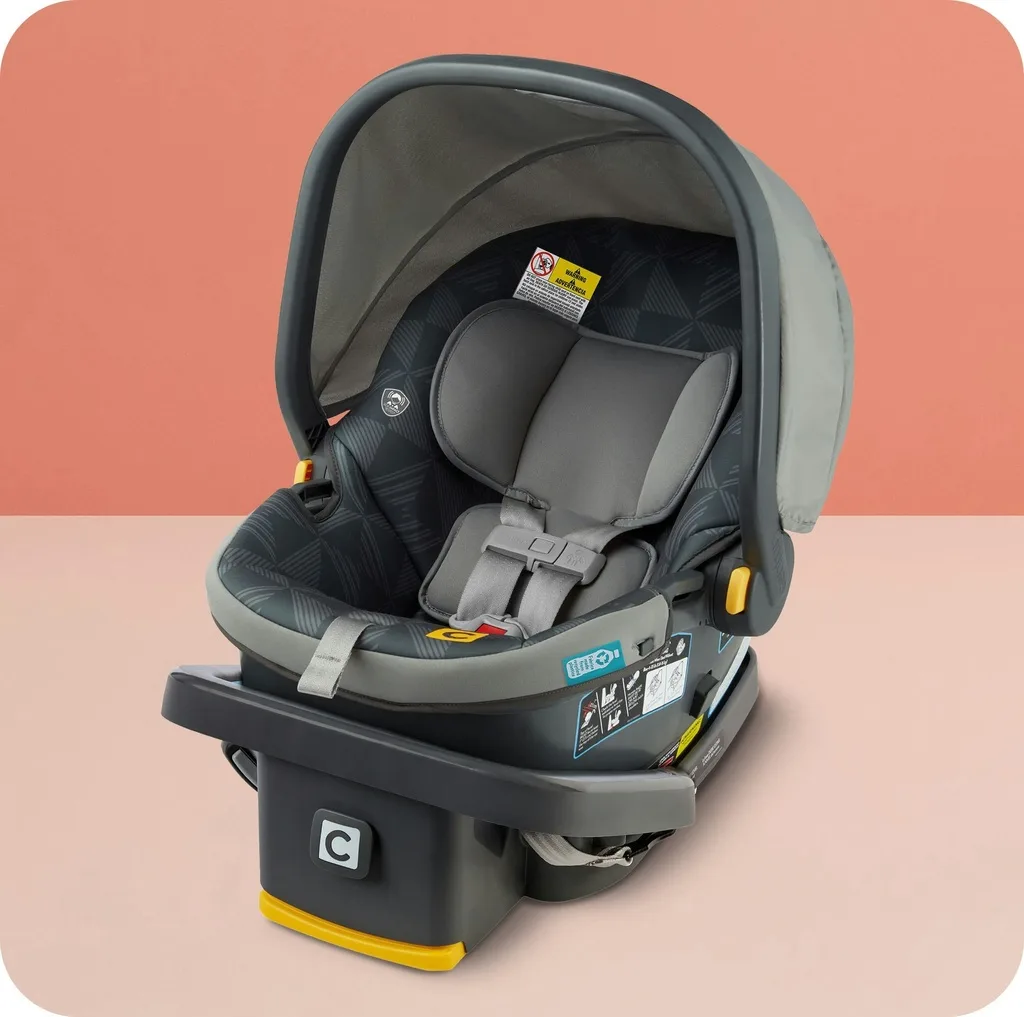
Image source: Web (Bing) / menababies.wavesoms.com (Web image (fair-use with source credit))
An infant seat almost always comes with a stay-in-car base. You install the base once, then click the carrier in and out. That's the convenience factor.
The trade-off is a low weight ceiling. Most infant seats top out around 30 to 35 lbs, which means many kids outgrow them before their first birthday.
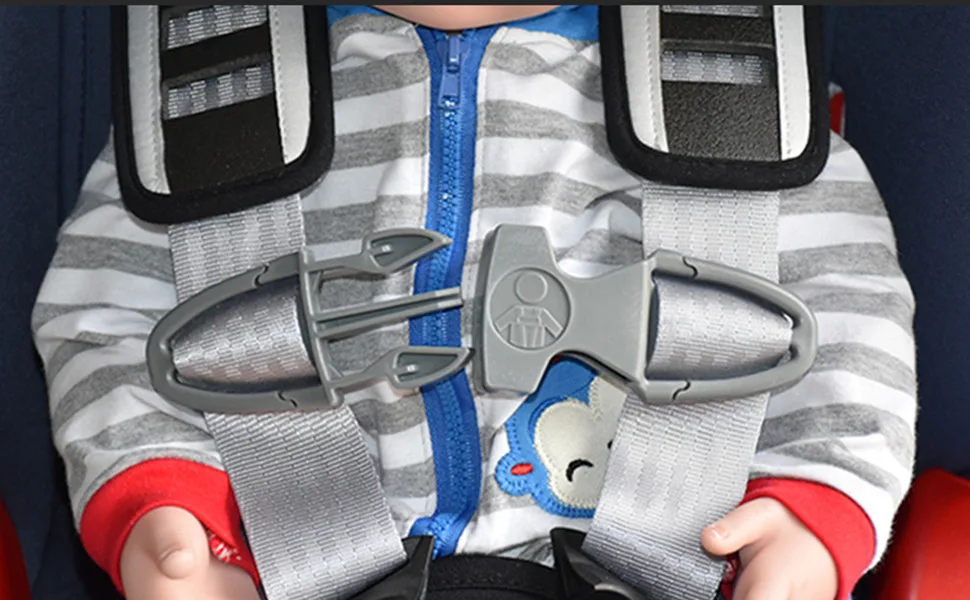
Image source: Web (Bing) / storage.googleapis.com (Web image (fair-use with source credit))
A convertible seat stays rear-facing longer, often to 40 or 50 lbs, then flips forward-facing. It doesn't come with a carrier handle or a base. You buy it once, install it, and it stays put.
An all-in-one adds a booster mode on top of that. It covers rear-facing, forward-facing, and belt-positioning, which sounds ideal. The catch is that it's bulky, and some kids outgrow the booster portion by height before they're ready to sit without a back.
A booster is the last stage. It positions the vehicle seat belt across your child's chest and hips rather than their neck and stomach. Boosters have no harness of their own, so your child has to sit correctly every single ride.
Which seat type fits your situation?
| Your situation | Best Century seat type |
|---|---|
| Newborn, want portability | Infant seat with base |
| Toddler still rear-facing, growing fast | Convertible |
| Want one seat for years | All-in-one |
| Child outgrew harness, 40+ lbs | Belt-positioning booster |
The Specs That Actually Matter: Weight Limits, Expiration Dates, and LATCH Rules
Weight limits are the first thing parents check, and they're also the most misunderstood. A seat's rear-facing limit isn't a suggestion. It's the ceiling the manufacturer crash-tested to.
Here's what our research shows matters most:
- Rear-facing weight limit: infant seats typically cap at 30 to 35 lbs, convertibles often 40 to 50 lbs
- Rear-facing height limit: usually 29 to 32 inches for infant seats
- LATCH lower anchor max: 65 lbs combined child plus seat weight, per NHTSA
- Expiration: typically 6 to 10 years from the manufacture date stamped on the shell
That last one catches people off guard. Car seats expire because the plastic shell and harness webbing degrade over time and heat cycles. A seat that sat in a hot garage for eight years isn't the seat the manufacturer tested.
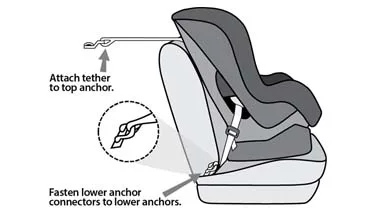
Image source: Bing (Web (fair-use with source credit))
LATCH is the Lower Anchors and Tethers for Children system. It lets you install a seat using anchors built into the vehicle instead of the seat belt. It's not always the better method, though.
Every vehicle has a LATCH weight limit, and once you hit it, you must switch to a seat belt install.
The one-inch rule is your reality check. After installation, grab the seat at the belt path and tug. It shouldn't move more than 1 inch side to side or front to back.
If it does, it's not tight enough.
The pinch test handles the harness. Buckle your child in, tighten the harness, then try to pinch slack at the shoulder. If you can pinch a fold of webbing, it's too loose.
How to Install a Century Car Seat the Right Way, Step by Step
Installation is where most car seat failures happen, so slow down and follow the manual. Every Century model has its own instructions, and the manual overrides anything you read online, including this article.
- Read the manual and check the expiration date on the shell.
- Register the seat with Century so you get recall notices.
- Pick your install method: LATCH lower anchors or seat belt.
- Route the belt or anchors through the correct path, labeled on the seat.
- Tighten until the seat moves less than 1 inch at the belt path.
- Attach the top tether if the seat is forward-facing.
- Set the recline angle using the level indicator on the base or seat.
- Adjust the harness to the correct slot height, at or below the shoulders for rear-facing.
- Buckle your child in and pass the pinch test at the shoulder.
The recline angle matters more than people think. Too upright, and a newborn's head can slump forward and cut off their airway. Too reclined, and the seat performs worse in a crash.
Use the level indicator, not your gut.
Rear-facing seats should never go in front of an active airbag. If your vehicle has one in the front passenger seat, the back seat is the only place that seat can go. This is a hard rule, not a preference.
Once installed, get it checked. A certified Child Passenger Safety Technician (CPST) can verify your install in about 20 to 30 minutes, usually for free. Safe Kids and NHTSA both host fitting stations across the country.
The Mistakes That Turn a Safe Seat Into a Dangerous One
A safe seat installed badly is not a safe seat. Here are the errors our research shows come up again and again.
- Using a seat with unknown crash history. If you don't know whether it's been in an accident, don't use it.
- Ignoring an expired seat. Check the sticker on the shell, not the box.
- Forward-facing too early. The AAP recommends rear-facing until at least age 2, ideally to the seat's rear-facing limit.
- Loose installation. Anything over 1 inch of movement at the belt path fails.
- A chest clip at the belly. It belongs at armpit level, every time.
- Bulky coats under the harness. They compress in a crash and leave slack. Buckle the child in a thin layer, then add a blanket over the top.
- Aftermarket inserts and strap covers. Unless they came with the seat, they can void its safety certification.
- Exceeding the LATCH weight limit. Switch to a seat belt install once you hit 65 lbs combined.
- Missing parts on a hand-me-down. No manual, no model number, no deal.
Registering your seat is one of the simplest safety steps and the most skipped. Recalls don't reach you if the manufacturer doesn't know where you are. NHTSA maintains a public recall database you can search by model at nhtsa.gov/recalls.
Century vs. the Alternatives: When It's the Right Pick and When It Isn't
Century competes mainly on price and availability, not on premium features. If you're comparing it against Graco, Chicco, Britax, Evenflo, or Safety 1st, the differences come down to a few practical things.
Century seats are sold widely at Walmart, Target, and Amazon, which makes them easy to find and easy to replace. Aggregate reviews describe them as functional and budget-friendly. They meet FMVSS 213 like every other legal seat.
What they don't offer is the extended rear-facing limits or premium fabrics you'll see on higher-priced brands.
Here's how the trade-offs break down:
- Century is best for budget-conscious families and secondary vehicles.
- Graco and Chicco usually offer higher rear-facing weight limits, which means more time in the safer position.
- Britax tends to run heavier and pricier, with a reputation for easier installs.
- Evenflo and Safety 1st sit close to Century on price and features.
The real question isn't brand. It's whether the seat fits your child, fits your car, and installs tightly. A premium seat installed loosely is less safe than a budget seat installed correctly.
If you can afford a higher rear-facing limit, it's worth the money. Rear-facing protects the head and spine better in a crash. If budget is tight, a Century convertible that installs well is a solid choice.
Skip the used market unless you know the seat's full history. A new budget seat beats a used premium seat every time.
Recalls, Laws, and When to Get a CPST Inspection
Recall notices are only useful if they reach you, and that's exactly why registering your seat matters. NHTSA runs the official recall database at nhtsa.gov/recalls, and Century's parent company posts current notices on its site.
Car seat laws vary by state. Some require rear-facing until age 2, others set weight thresholds, and a few specify booster age minimums. Check your state's rule, then follow the stricter of the two between state law and the manufacturer's manual.
A certified Child Passenger Safety Technician (CPST) is your best free resource. These technicians complete a national certification through the National Child Passenger Safety Board. Many fire departments and hospitals host fitting stations where you can get an install checked in about 20 to 30 minutes.
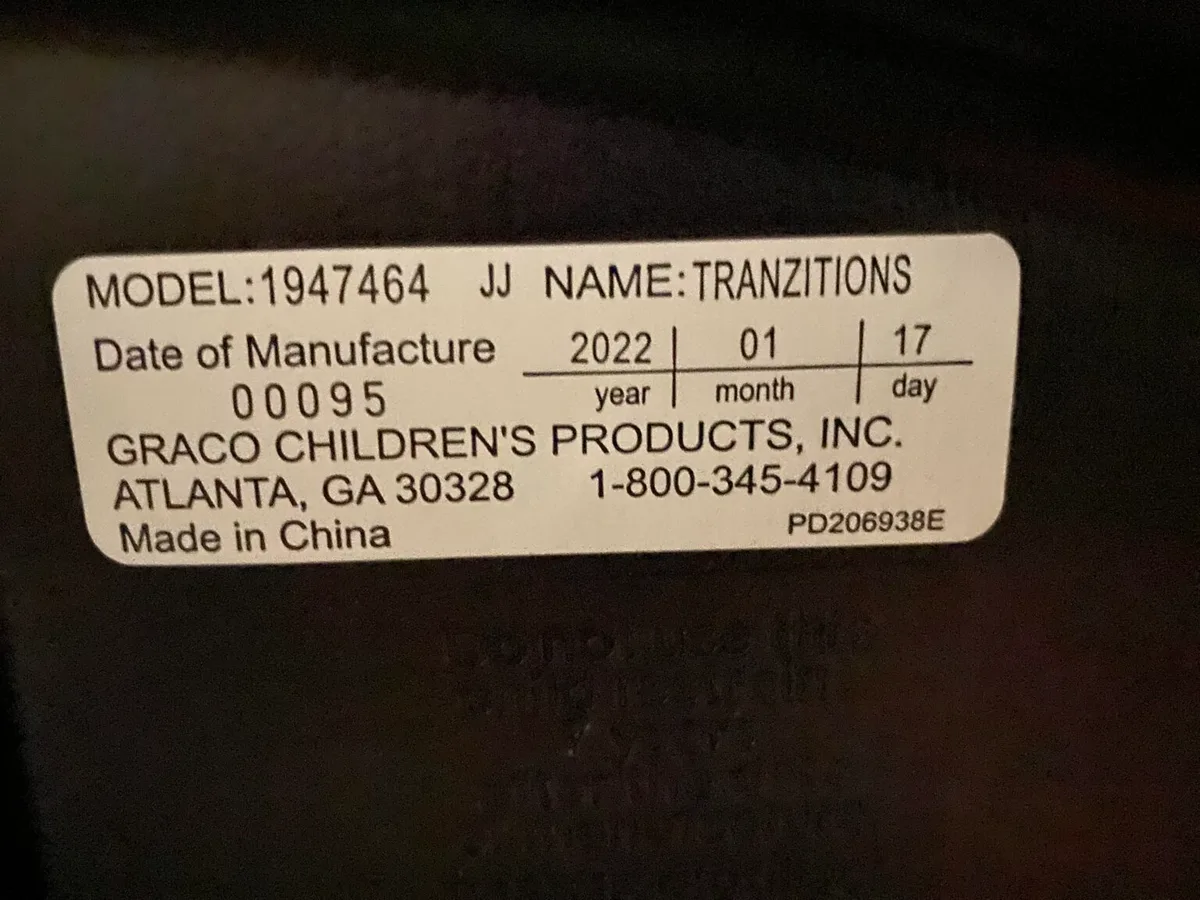
Image source: Web (Bing) / kidtravel.org (Web image (fair-use with source credit))
Knowing when to replace the seat matters too. Replace it after any moderate or severe crash, even if damage isn't visible. Replace it if the shell is cracked or the harness is frayed.
And replace it once it hits its expiration date.
Frequently Asked Questions
How long does a Century baby car seat last?
Most Century seats expire 6 to 10 years from the manufacture date stamped on the shell or base. Check the sticker, not the box. Once it expires, stop using it, even if it looks fine.
Are Century car seats safe?
Yes. Every Century seat sold in the US meets FMVSS 213, the federal safety standard. Safety depends more on correct installation and proper fit than on brand or price.
Can I use a Century car seat without the base?
Some Century infant seats allow baseless installation using the seat belt. Check your specific model's manual. If baseless install is allowed, the belt path is usually marked on the carrier.
When should my child move to a booster seat?
Move to a booster once your child outgrows the harnessed seat's weight or height limit. Most kids make the switch somewhere between 40 and 65 lbs. Keep them rear-facing as long as the seat allows first.
How do I know if my Century seat has been recalled?
Search your model number in NHTSA's recall database at nhtsa.gov/recalls. Register your seat with the manufacturer so new recalls reach you directly. Recalls apply to specific production dates, not entire product lines.
Can I install a Century car seat in the front seat?
No. Never place a rear-facing seat in front of an active airbag, since deployment can cause fatal injury. Forward-facing seats also belong in the back seat until your child is old enough for the front per your state's law.

Similar Posts































