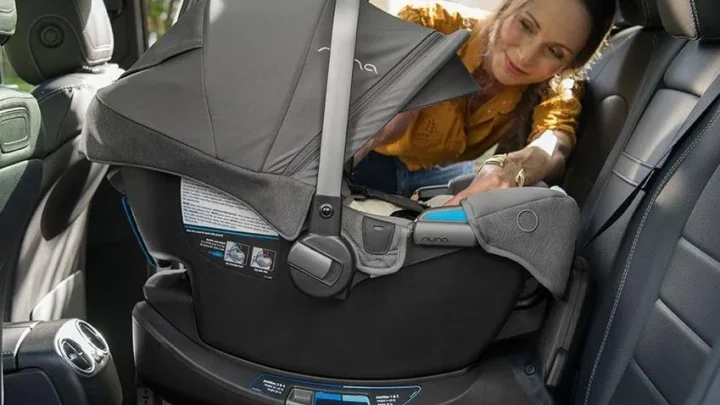
How Long Can a Baby Stay in an Infant Car Seat?
"How long can a baby be in a infant car seat" isn't a question with one neat number, and any guide that hands you a tidy single figure is skipping the part that matters. The honest answer depends on your baby's age, weight, and health, plus whether the seat is strapped into a moving car or parked on your kitchen floor. Those are very different situations, and they carry very different risks.
In our research, the most commonly cited figure is two hours, a limit that shows up across manufacturer manuals and American Academy of Pediatrics guidance for travel. But that number was never designed as a blanket rule for newborns, and the National Highway Traffic Safety Administration (NHTSA) stresses that your seat's own manual overrides everything else. So let's break down what the real limits are, and why they exist.
how long can a baby be in a infant car seat
A healthy, full-term newborn should spend no more than about two hours in an infant car seat at a stretch. That includes any time sleeping in the seat outside the car. For a moving vehicle, plan a break every one to two hours.
Premature or low birth weight babies need shorter stretches and closer monitoring.
The Quick Answer (and Why It's Not as Simple as "Two Hours")
That two-hour figure is real, but it's a ceiling, not a target. For newborns, especially in the first few weeks, many clinicians suggest keeping seated time shorter than that whenever you can. The younger and smaller the baby, the more carefully the clock matters.
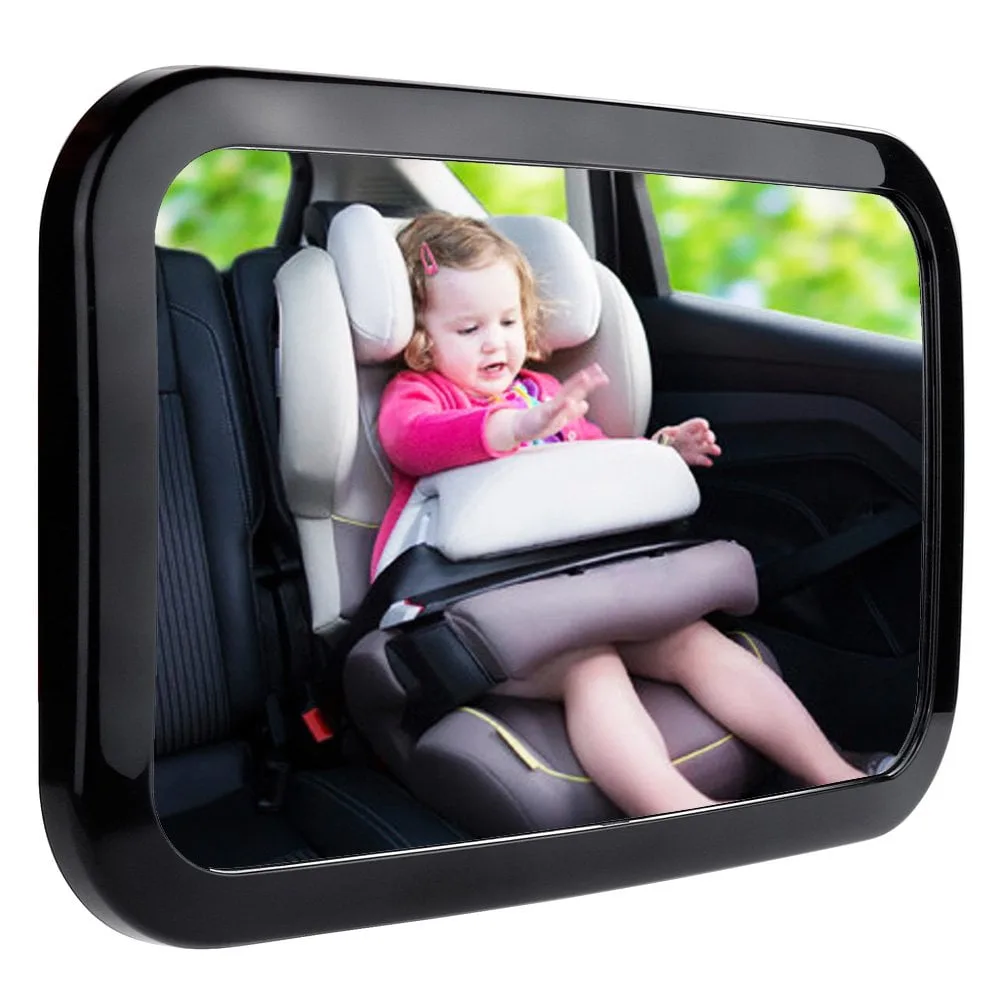
Image source: Bing (Web (fair-use with source credit))
Here's the catch most parents miss. There are actually three separate clocks running at once.
- Drive time: how long the car is moving with baby strapped in.
- Seat time: total minutes in the seat, including when it's clicked into a stroller or resting on the floor.
- Sleep time: how long baby stays asleep in a semi-upright position.
The third one is the sneaky one. A baby who falls asleep in the bucket seat and stays there while you finish errands is stacking sleep time on top of drive time. Those hours add up fast, and they're the ones that quietly raise risk.
If your baby is healthy, full-term, and you're taking a short trip, two hours is a reasonable upper limit. If your baby was premature, has reflux, or a breathing condition, ask your pediatrician for a specific number. Don't guess.
Why This Matters: What's Actually Happening to Your Baby's Body in That Seat
An infant car seat holds a baby at an angle, roughly 30 to 45 degrees for a newborn. That recline is deliberate. It keeps the airway open during a crash and stops the head from flopping forward.
But it's not the same as lying flat, and a newborn's body isn't built for long stretches in that position.
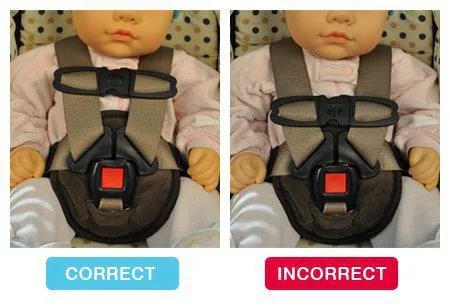
Image source: Bing (Web (fair-use with source credit))
The Airway Problem: Positional Asphyxia and Chin-to-Chest Slump
Positional asphyxia happens when a baby's chin drops toward the chest and pinches off the airway. Newborns have weak neck muscles and big, heavy heads. In a semi-upright seat, gravity pulls that head forward.
A sleeping baby won't reposition themselves. They can't lift their chin or turn away when breathing gets hard. That's why unsupervised sleep in a car seat, especially outside the car, is the scenario that worries pediatric researchers most.
The Head Shape Problem: When "Container Time" Adds Up
Too much time in any container, car seats, swings, bouncers, strollers, can flatten a baby's developing skull. Positional plagiocephaly is the clinical term, and it's on the rise. The fix isn't complicated: get baby onto a flat, firm surface and onto their tummy during awake hours.
Think of the car seat as a transport tool. It moves your baby safely from A to B. It's not a crib, a lounger, or a place to park them while you cook dinner.
The Premature Baby Exception: Why NICU Discharge Changes the Rules
Premature infants are the group where this gets serious. Their airways are softer, their breathing is less stable, and their oxygen levels can dip in a seated position. That's why many hospitals run a car seat challenge before discharge.
The test usually runs 90 to 120 minutes. A nurse monitors heart rate, breathing, and oxygen saturation while the baby sits in their actual seat. If the numbers drop, the baby doesn't go home in that seat.
We've seen NICUs use a car bed instead, which lets the baby lie flat.
The Real Limits, Decoded: Weight, Height, Age, and Time
Manufacturer Weight and Height Caps (and the "1-Inch Rule")
Every infant seat has a weight range and a height limit printed on the label. Most rear-facing infant seats cap out somewhere between 30 and 35 pounds, and around 30 to 32 inches tall. Those are hard stops.
There's also the one-inch rule. Your baby has outgrown the seat when the top of their head sits less than one inch below the top of the shell. Height, not weight, usually ends the run first.
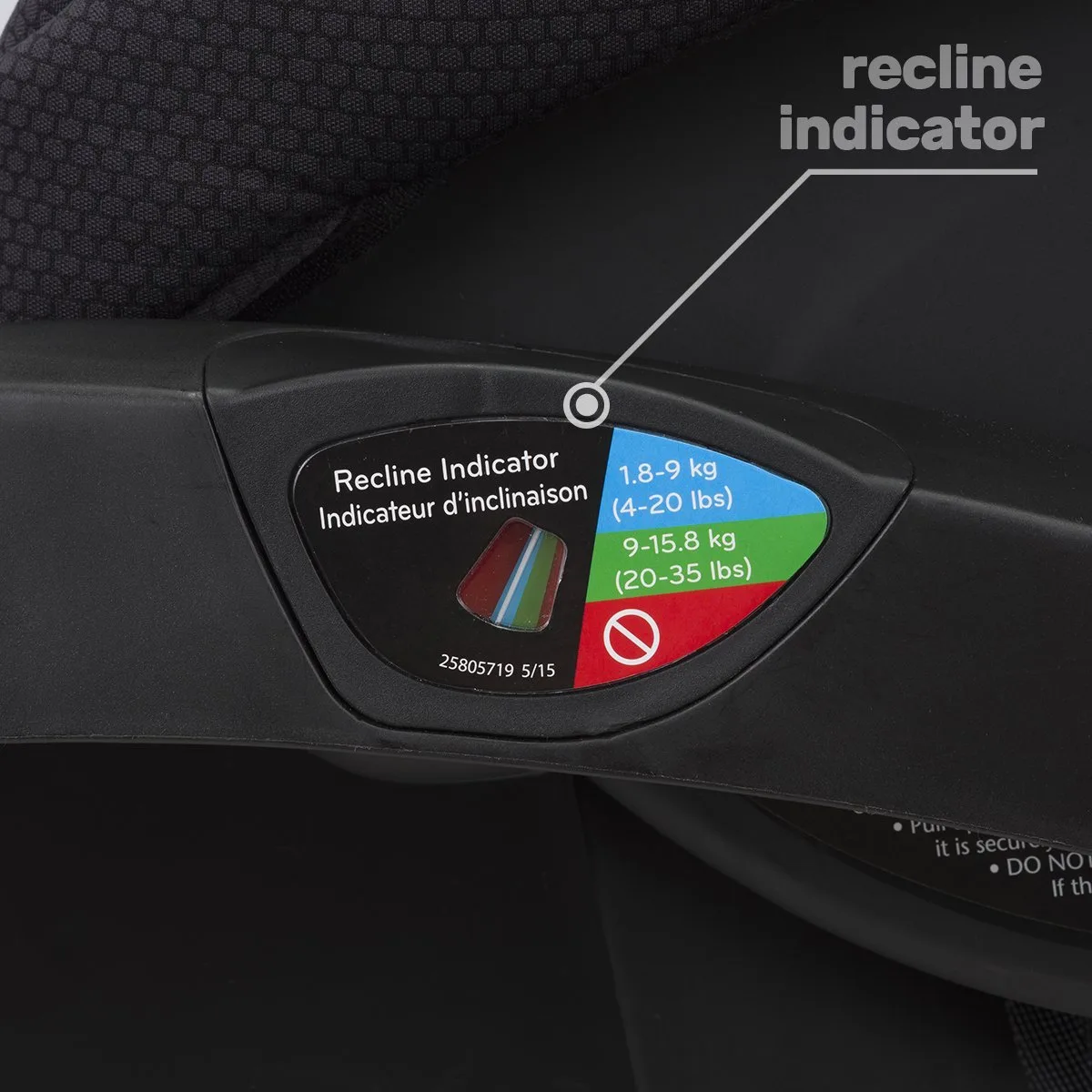
Image source: Bing (Web (fair-use with source credit))
The Two-Hour Drive Guideline, What It Actually Means
The two-hour limit is about two things: circulation and breathing. Sitting in one position for too long restricts blood flow and compresses the chest slightly. For a newborn, that's enough to matter.
So on a long drive, plan a stop every 60 to 120 minutes. Take the baby out. Let them stretch, feed, and lie flat for a bit before you buckle back in.
Awake Time vs. Sleep Time: Two Different Clocks
Awake time in the seat is far less risky than sleep time. A baby who's awake and alert can shift, cry, and let you know something's wrong. A sleeping baby can't.
If your baby falls asleep in the seat, that's fine during a drive. But the moment the car stops, move them to a flat surface if you can. Don't let them finish a two-hour nap in the bucket.
When the Seat Is Buckled in the Car vs. Sitting on Your Kitchen Floor
This distinction trips up a lot of parents. A seat clicked into its base in a moving car is doing its job. A seat sitting on your kitchen tile is just a container.
The crash protection doesn't apply when the car isn't moving. The airway risk does. So the limits are actually stricter outside the car, not looser.
If you need a safe spot for a sleeping newborn while you make lunch, a bassinet or a firm flat surface beats the car seat every time.
Matching Your Baby's Situation to the Right Time Limit
Healthy Full-Term Newborn
Two hours per stretch is a reasonable ceiling. Shorter is better in the first month. Aim for breaks every 60 to 90 minutes on longer drives, and move baby to a flat surface as soon as you're parked.
Premature or Low Birth Weight Baby
Follow your discharge instructions first. If your baby passed a car seat challenge, use the time frame your care team gave you. If they didn't need one, ask whether they should have had one.
Baby With Reflux, Torticollis, or Breathing Issues
These babies need individualized guidance. Reflux worsens in a reclined position. Torticollis affects head control.
Both can change how long your baby can safely tolerate the seat. Call your pediatrician before a long trip.
Long Road Trips, Rideshares, and Air Travel
Road trips demand scheduled breaks. Rideshares usually mean a baseless install, so practice it before you need it. For air travel, check the FAA-approved label on your seat and confirm with the airline.
If your baby is screaming and you're tempted to take them out mid-drive, pull over first. Never unbuckle a baby in a moving vehicle, no matter how short the trip.
Safe Practices That Actually Reduce Risk
Install and Fit Checks That Matter (Recline, Harness, Chest Clip)
Get the recline angle right for your baby's size. The seat's indicator, usually a bubble level or angle gauge, tells you. A newborn needs more recline than a six-month-old.
Harness straps go at or below the shoulders for rear-facing. The chest clip sits at armpit level, not on the belly. Tighten until you can't pinch any slack at the collarbone.
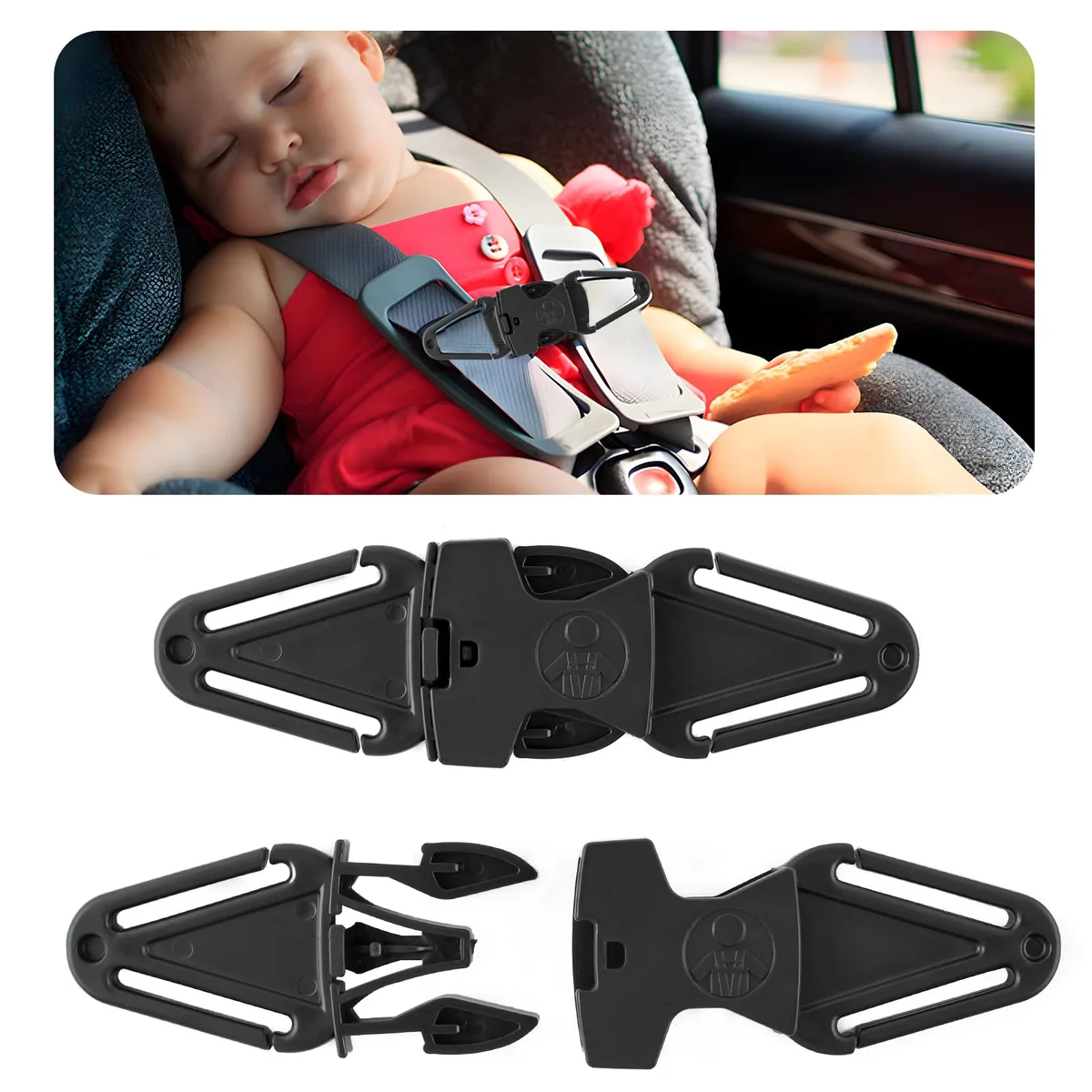
Image source: Web (Bing) / amazon.co.uk (Web image (fair-use with source credit))
Check for less than one inch of movement at the belt path. Grab the seat near the belt and tug side to side and front to back. If it slides more than an inch, tighten it.
Inserts, Coats, and Aftermarket Add-Ons to Skip
Bulky coats create a gap between baby and harness. That gap becomes slack in a crash. Buckle baby in without the coat, then drape a blanket over the harness.
Skip any aftermarket insert, head support, or strap cover that didn't come with the seat. Those products aren't crash-tested with your specific seat. They can void the warranty and compromise protection.
Break Schedules and the "Flat Surface Rule" Between Drives
Build breaks into your trip plan the same way you'd plan fuel stops. Every 60 to 120 minutes, pull over, unbuckle, and let baby lie flat for a few minutes.
At home, treat the car seat as off-limits for sleep. Firm, flat, and supervised is the standard for every nap. The car seat is for car rides, full stop.
Common Mistakes Parents Make (and How to Fix Them)
Using the car seat as a crib tops the list. A sleeping newborn on the living room floor in a bucket seat is unsupervised container sleep, and that's exactly the scenario linked to positional asphyxia. If baby falls asleep in the seat, move them to a firm, flat surface.
Bundling up before buckling comes second. Puffy coats and snowsuits leave slack in the harness that you can't see or feel. Buckle baby in a thin layer, tighten the harness, then drape a blanket over the top.
Then there's the hand-me-down that's past its expiry. Most seats expire six to ten years from the manufacture date, and that stamp is on the shell or the base. An expired seat may have degraded plastic, missing parts, or an unknown crash history.
Confusing "drive time" with "seat time" is the fourth big one. Two hours of driving plus two hours in the stroller plus a nap on the kitchen floor adds up to six hours in one position. Track the whole total, not just the trip.
Finally, aftermarket inserts. That plush head support you bought online was never crash-tested with your seat. It can lift baby's head into the wrong position and change the harness fit.
If it didn't come in the box, leave it out.
When to Call Your Pediatrician or Seek Help
Call your pediatrician if your baby's breathing looks labored in the seat. Watch for grunting, retracting ribs, or a bluish tint around the lips. Those are not "just how newborns breathe." Get medical advice fast.
If your baby was premature and never had a car seat challenge, ask about one. Passed-over screenings are more common than you'd think, and a failed tolerance test changes your discharge plan.
Signs of positional plagiocephaly matter too. A flat spot on one side of the head, or a preference for turning the head only one way, deserves a conversation. Early intervention works best before six months.
For anything urgent, like a baby who stops breathing or turns blue, call emergency services. Don't wait to see if it passes. Positional asphyxia can happen silently, with no struggle and no noise.
FAQs
How long can a baby be in an infant car seat in one stretch?
Two hours is the general ceiling for a healthy full-term newborn, and many clinicians suggest shorter stretches in the first month. Break every 60 to 120 minutes on a longer drive. Premature babies or those with reflux need a specific number from their care team.
Can a baby sleep in a car seat overnight?
No. Overnight sleep in a car seat is not safe. A newborn's head can slump forward and block the airway, and a sleeping baby won't self-correct.
Use a firm, flat, supervised sleep surface, like a bassinet or crib.
Is the two-hour rule the same for newborns and older babies?
Tighter for newborns, looser as they grow. A healthy baby with good head control tolerates longer stretches better than a three-week-old. Once they can sit up on their own, the airway risk drops sharply, though manufacturer limits still apply.
How do I know if my baby has outgrown the infant seat?
Two markers. The top of the head sits less than one inch below the shell, or your baby hits the seat's published weight limit. Height usually ends the run first.
When either happens, move to a rear-facing convertible seat.
What if my baby hates the car seat and screams the whole ride?
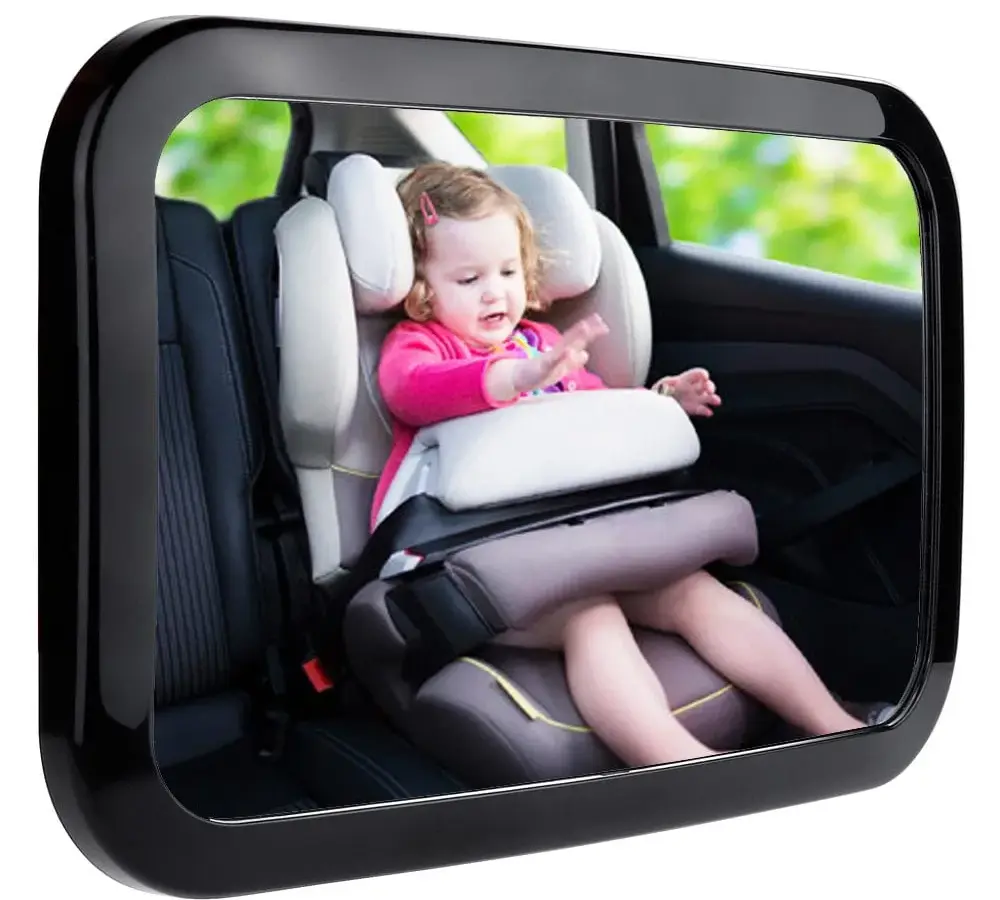
Pull over before taking them out. Never unbuckle a baby in a moving vehicle, even for a short trip. A mirror, a favorite song, or a feed stop can help.
Screaming is stressful, but a crash is far worse than the noise.
Do I need a car seat challenge for a full-term baby?
Usually not. Car seat challenges are standard for premature infants and some low birth weight babies, typically run for 90 to 120 minutes before discharge. Full-term babies with no breathing issues don't normally need one.
Ask your pediatrician if you're unsure.
The Bottom Line: A Simple Decision Guide for Real Life
Here's the whole thing in one if/then framework. If your baby is healthy, full-term, and the car is moving, two hours is your ceiling, and shorter is better in the first weeks. If the car has stopped, move baby to a flat surface for sleep, full stop.
If your baby was premature, had a low birth weight, or has reflux or a breathing condition, use the number your pediatrician gave you. Don't default to the generic two-hour figure, it wasn't written for your baby.
If you're heading out for a long drive, schedule breaks every 60 to 120 minutes. Unbuckle, let baby lie flat, feed, reset, then buckle back in. Treat the car seat as transport, never as a crib.
If you're ever guessing, the seat's own manual wins. It's the only document written for your specific model, and it overrides every blog post including this one. When a rule feels unclear, read the label on the seat.
And if something looks off, if breathing seems labored, if a lip tinges blue, if a head slumps and won't lift, call your pediatrician or emergency services. Trust your gut. No trip is worth the risk.
Keep the seat installed correctly, keep the harness snug, and keep those stretches short. That's the whole game, and it's easier than it sounds once you know what you're watching for.

Similar Posts