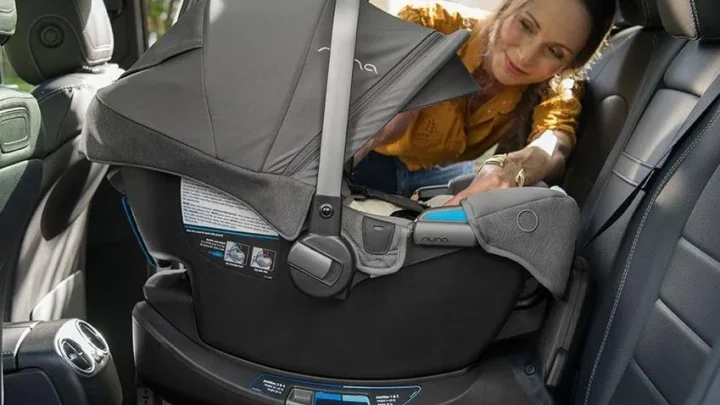
How Long to Keep Baby in an Infant Car Seat
If you're wondering how long to keep baby in infant car seat, the short answer is: until they hit the seat's height or weight limit, or until there's less than one inch of hard shell above their head. Age alone doesn't decide it. Your baby's growth curve does, and that curve looks different for every child.
Federal safety standards like FMVSS 213 set the crash-test baseline every infant car seat must meet. But the real-world switch happens when your specific seat's limits are reached. In our research, most parents move their baby out too early, often because they mistake the weight limit for the exit cue.
Here's what actually determines when it's time.
how long to keep baby in infant car seat
Keep your baby in an infant car seat until they reach the seat's height or weight limit, or until less than one inch of shell sits above their head. Most infant seats max out between 22 and 35 pounds and 29 to 32 inches. Age doesn't decide it.
Growth does. The AAP recommends rear-facing until at least age 2. Moving to a convertible rear-facing seat is fine when the infant seat is outgrown.
Moving to forward-facing usually isn't.
The Quick Answer (and Why It's Not Just About Age)
Age gets treated like a milestone, but it's really just a calendar. Car seat engineers don't design around birthdays. They design around a baby's head-to-body ratio, which changes fast in the first year but at wildly different speeds from one baby to the next.
A 9-month-old can be anywhere from 16 to 26 pounds. That's a huge range. Two babies the same age can be 8 inches apart in height.
So if a friend says "we switched at 10 months," that tells you almost nothing about your own baby.
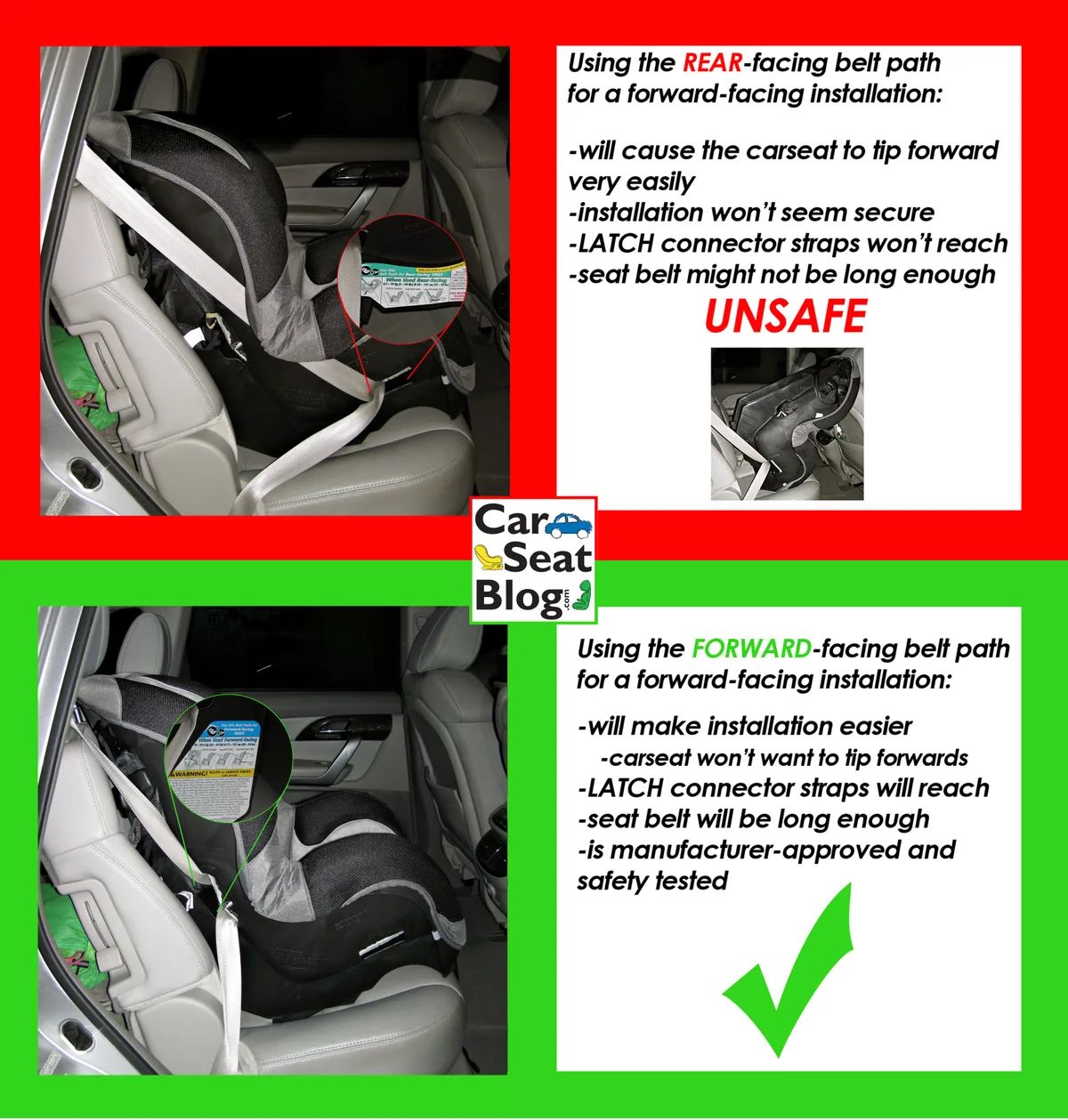
Image source: Web (Bing) / velcromag.com (Web image (fair-use with source credit))
Here's what actually matters:
- The seat's height limit. Everyone quotes weight, but height is the more common trigger.
- The 1-inch rule. At least one inch of plastic shell above the top of your baby's head.
- The weight cap. Important, but rarely the first limit reached.
- Your state law. Many states now require rear-facing until age 2, no matter the seat.
So when does age matter? Mostly as a floor. The American Academy of Pediatrics position is rear-facing until at least 2 years old.
That's a minimum, not a graduation date. If your baby outgrows the infant seat at 11 months, you don't flip them forward. You move them to a convertible seat and keep them rear-facing.
That distinction trips up a lot of parents. "Outgrowing the infant seat" and "outgrowing rear-facing" are two completely different events.
The Three Limits That Actually Decide When to Switch
Three numbers decide this. Weight, height, and the head clearance rule. They rarely align, and the one you hit first is the one that matters.
Weight Limit
You'll find it on a sticker on the side of the seat and in the manual. Infant seat weight limits typically fall between 22 and 35 pounds. Some go lower, especially budget models.
Why is weight rarely the trigger? Because a baby who hits a 30-pound weight limit while still fitting comfortably in height is unusual. Most babies run out of headroom first.
But weight still matters for one reason: never exceed it. That's the tested limit for the shell and harness.
Height Limit
Measure from the top of your baby's head to the bottom of their feet, flat, no hat, no shoes. Then check that number against the manual. Most infant seats top out at 29 to 32 inches.
Here's the catch: the height limit in the manual assumes average proportions. Your baby's leg length and torso length will shift things. That's why the 1-inch rule beats the height limit as a practical signal.
The 1-Inch Rule
This is the one to check weekly once your baby is past 6 months. It takes ten seconds.
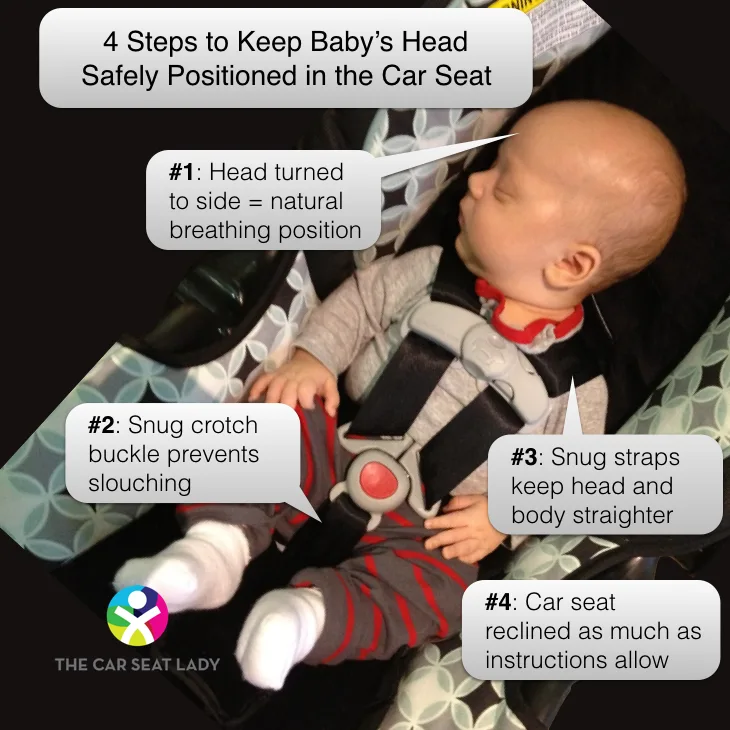
Image source: Web (Bing) / bestbabycarseat.com (Web image (fair-use with source credit))
How to check it:
- Buckle your baby in with the harness snug.
- Adjust the headrest to its highest position if it's adjustable.
- Lay a ruler or your fingers flat across the top of the seat shell.
- Make sure at least one inch of shell remains above your baby's head.
If that gap is less than an inch, the seat is done. Stop using it. Not next week, not after the next growth spurt.
Now.
Watch out for accessories that hide the head. Canopies, head support pillows, and aftermarket inserts can make it look like there's more room than there is. Pull them back when you check.
| Limit | Typical Value | How Often to Check |
|---|---|---|
| Weight cap | 22–35 lbs | Monthly |
| Height cap | 29–32 inches | Monthly |
| 1-inch head rule | Less than 1 inch = outgrown | Weekly after 6 months |
Why Rear-Facing Still Matters (Even After the Infant Seat)
A baby's head is roughly a quarter of their total body weight. An adult's is around 6 percent. That ratio matters enormously in a crash.
When a car stops suddenly, everything inside keeps moving. A rear-facing seat cradles the baby's head, neck, and spine against the shell. The force spreads across the whole back rather than concentrating on the neck.
Forward-facing, that same force pulls the head away from the spine. In a small baby, that can cause spinal cord injury or worse.
Per NHTSA crash testing and real-world crash data, rear-facing seats reduce the risk of serious injury for infants and toddlers compared with forward-facing seats. The difference is largest in the first two years.
So here's the rule that matters more than the seat type: rear-facing position is the priority, not the specific seat. If your baby outgrows the infant seat at 10 months, you move them to a convertible car seat that's rated for rear-facing use. You don't skip rear-facing just because the bucket seat got small.
What does extended rear-facing actually look like? In a convertible, your child might stay rear-facing until age 3 or 4, depending on the seat's rear-facing limits. Many convertibles go to 40 or 50 pounds rear-facing.
That's a big jump from an infant seat's 30-pound cap.
The feet-touching-the-back-seat thing? Not a safety issue. Bent legs are fine.
Broken legs are not the risk rear-facing protects against. Spinal cord injury is.
What to Do Instead of Forward-Facing Too Early
The moment your baby outgrows the infant seat, you have a decision. And forward-facing is not one of the safe ones yet.
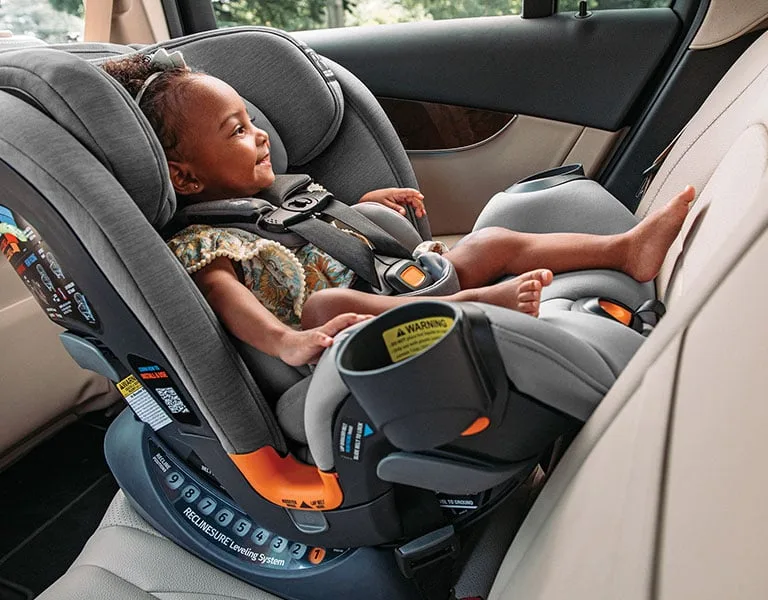
Image source: Web (Bing) / exploreuno.com (Web image (fair-use with source credit))
Convertible and All-in-One Seats
These are your two upgrade paths. A convertible seat does rear-facing and forward-facing. An all-in-one does both plus booster mode.
Both can keep your child rear-facing well past the infant seat stage.
What to look for:
- High rear-facing weight limit (40+ pounds is ideal)
- High rear-facing height limit (usually stated in inches or as a head-clearance rule)
- No-rethread harness (easier to adjust as they grow)
- Multiple recline positions for rear-facing
- A manual that clearly states the rear-facing limits
Convertibles are the workhorse here. Aggregated ownership reviews consistently show they stay in service longer than infant seats, often three to four years per child.
Hand-Me-Downs and Expired Seats
This is where things get dangerous. A used seat is only safe if you can verify its history.
If/then logic for hand-me-downs:
- If the seat has no manufacture date or model number, skip it.
- If the seat has been in a moderate or severe crash, skip it.
- If the seat is past its expiry (usually 6 to 10 years from manufacture), skip it.
- If it's missing the manual, harness pads, or infant insert, skip it.
- If all of the above check out, verify the model isn't under recall before using it.
Check recalls through the NHTSA recall lookup at nhtsa.gov. It takes two minutes and it's free.
Installation Basics That Don't Change
Whether it's an infant seat or a convertible, three things stay the same:
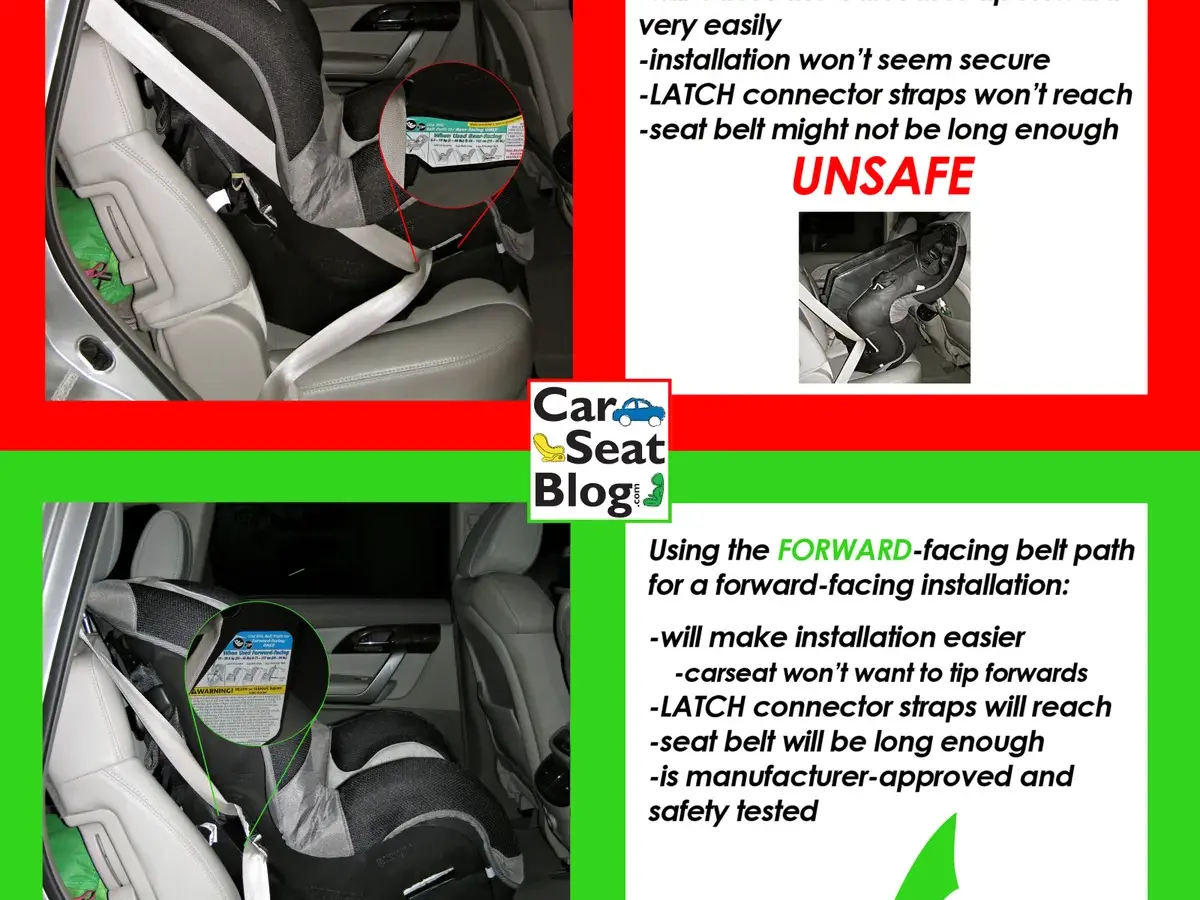
- Harness snug enough that you can't pinch slack at the collarbone
- Chest clip level with the armpits
- Less than one inch of movement at the belt path when you tug side-to-side
Get these right on the new seat before you retire the infant seat. Don't wait until the first drive.
Mistakes That Put Babies at Risk
Most of the danger here comes from small, ordinary decisions that feel harmless at the time. Here are the ones we see most often in our research.
Moving to forward-facing because the baby "looks cramped" is the big one. Bent legs aren't a safety problem. A weak neck is.
Rear-facing protects the spine, and the cramped look is normal.
Assuming hitting the weight limit means it's time to switch forward is another. It means it's time to move to a convertible. Rear-facing should continue.
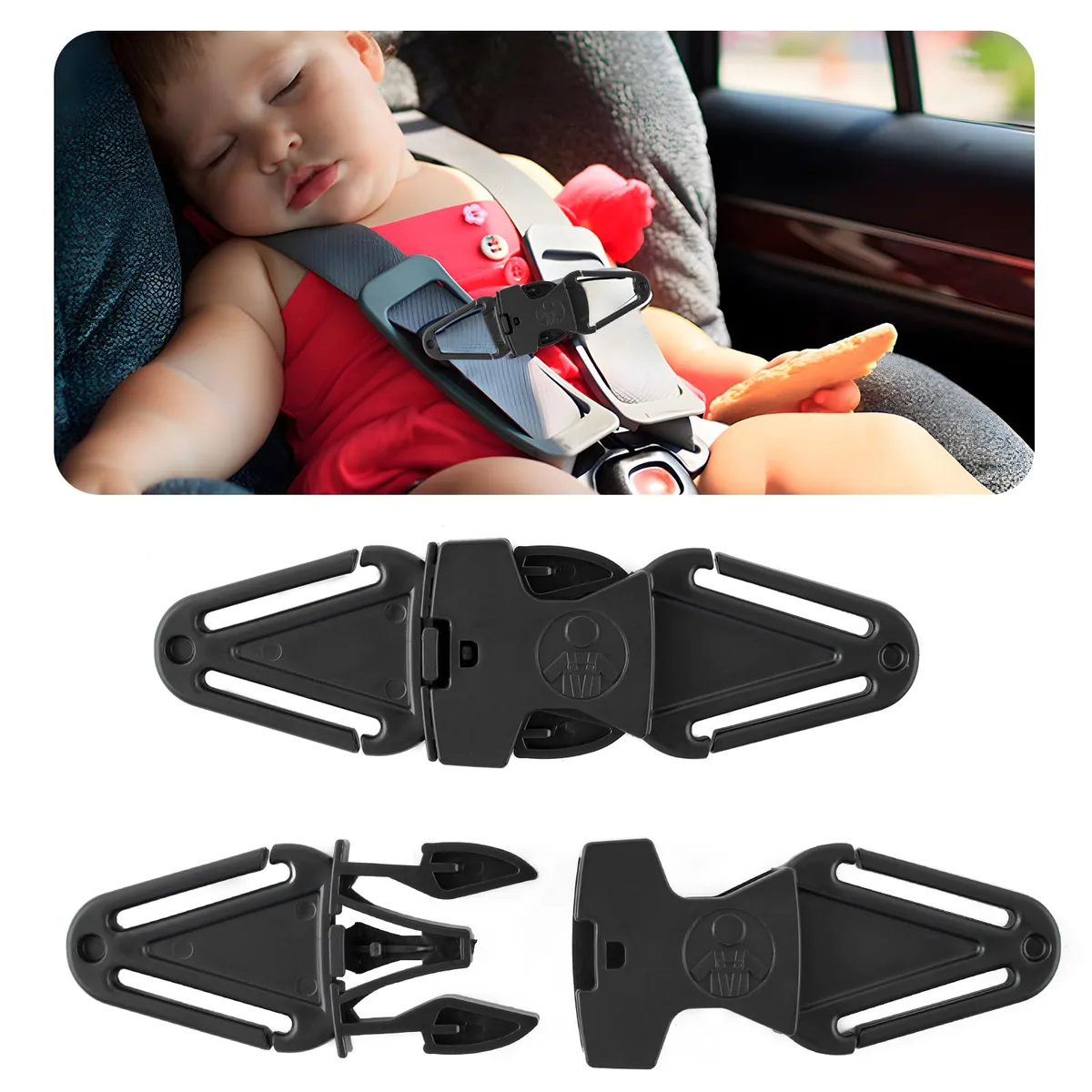
Image source: Web (Bing) / amazon.co.uk (Web image (fair-use with source credit))
Bulky coats under the harness create a dangerous gap. The coat compresses in a crash, and the harness goes loose. Buckle the baby in thin layers, then add blankets on top.
Aftermarket inserts are a frequent hidden risk. Unless the insert came in the box with your seat, it wasn't crash-tested with it. That voids the tested configuration.
Quick Checklist Before Every Drive
- Harness snug, no slack to pinch at the collarbone
- Chest clip level with the armpits
- Straps at or below shoulder level for rear-facing
- No puffy coat under the straps
- Head has at least 1 inch of shell above it
State law is the final piece. As of 2026, many states require rear-facing until age 2, regardless of seat limits. Check your state's rule before you assume you're compliant.
State Laws, Standards, and What's Actually Required
FMVSS 213 is the federal standard every car seat sold in the US must pass. It covers crash performance, labeling, and instructions. It does not tell you when to switch your child.
That's where guidelines stack up, and they don't always match:
- NHTSA guidance: rear-facing until they outgrow the seat's rear-facing limits
- AAP policy: rear-facing until at least age 2, ideally longer
- State law: varies, but many states now mandate rear-facing until age 2
The practical rule is simple. Follow the strictest of the three for your situation. If your state requires age 2 and your seat can rear-face longer, keep going past 2.
Register your seat with the manufacturer. Recalls happen, and the only way to hear about them is to be on the list. Check the NHTSA recall database at nhtsa.gov if you're using a hand-me-down.
Free car seat checks are available through certified Child Passenger Safety Technicians. Fire stations and local safety events often host them. A technician can verify your install in about 20 minutes.
That's the fastest way to catch an error you've been repeating for months.
Real Scenarios: How This Plays Out in Practice
Every baby's timeline looks a little different. Three examples from our research show how the rules play out.
The tall, lean 8-month-old. She's 27 inches and 18 pounds. Weight-wise she looks fine in her 30-pound seat. But at 27 inches, she's already close to a 29-inch cap, and a head check shows less than an inch of shell.
She's done with the infant seat. She moves to a convertible, still rear-facing.
The 14-month-old still fitting comfortably. He's 22 pounds and 30 inches in a seat rated to 32 inches. Head clearance is closer to 2 inches. He stays.
There's no rush, and the extra rear-facing time is a safety benefit.
The preemie. Born early, still small. Some NICUs run a car seat challenge test before discharge. This checks that the baby can breathe and hold their airway in the seat.
If they fail, they may need a car bed instead of a standard seat.
In each case, the decision came from the seat's limits and the head check. Not the birthday.
Frequently Asked Questions
Can my baby stay in the infant seat past age 1?
Yes, if they still fit. Age 1 isn't a limit. The limits are the seat's height and weight caps, plus the 1-inch head rule.
Many babies fit past 12 months. Move them when the seat says so, not the calendar.
What if my baby's feet touch the back seat?
That's fine and normal. Bent legs aren't a safety problem. Rear-facing protects the head and spine, which is why the position matters.
Don't flip forward just because their legs look squished.
Is it safe to use the infant seat without the base?
Yes, if the manual allows it. Baseless installation uses the seat belt to secure the carrier. Follow the manual's routing path exactly.
Test for less than 1 inch of movement before you drive.
How do I know if my seat is expired?
Check the sticker on the shell or the base. It shows the manufacture date. Most infant seats expire 6 to 10 years after that.
Expired seats may have degraded plastic and worn parts. Don't use them.
Should I go straight to an all-in-one seat?
You can, but it's not required. An all-in-one covers rear-facing, forward-facing, and booster stages. A convertible does the first two.
Either works. What matters is that it rear-faces well past your infant seat's limits.
Do I need a new seat after a fender bender?
It depends on the crash. Minor crashes with no airbag deployment, no injuries, and a drivable car usually don't require replacement. Anything more, and NHTSA says replace it.
Check your manufacturer's policy first.

Similar Posts